Table of Contents
ToggleThe 70s were a design revolution, an era when avocado green appliances, shag carpeting, and sunburst mirrors ruled living rooms across America. Fast-forward to 2026, and that groovy aesthetic is making a serious comeback, but with a modern twist. Whether someone’s restoring a vintage home or just craving a retro vibe, recreating 70s living room style involves more than tossing a lava lamp on the mantel. It requires thoughtful choices in color, texture, furniture, and lighting. This guide walks through the essential elements of 70s design, from bold color palettes to iconic furniture silhouettes, helping homeowners nail that nostalgic-yet-fresh look without turning their space into a time capsule.
Key Takeaways
- 70s living room ideas center on warmth, eclecticism, and natural materials like teak and walnut combined with bold earth tones and jewel-tone color palettes.
- Low-profile furniture with angular lines, modular seating, and velvet or corduroy upholstery are signature elements that define authentic retro seating.
- Statement lighting fixtures such as arc floor lamps, Sputnik chandeliers, and globe pendants in brass finishes are essential for capturing the sculptural, dramatic aesthetic of the era.
- Layer textures through shag area rugs, macramé wall hangings, patterned wallpaper, and mixed fabrics like bouclé and corduroy to create visual depth without overwhelming the space.
- Accessorize with houseplants, ceramic pottery, sunburst mirrors, and curated shelving to complete the lived-in, tactile richness that defines 70s living room design.
- Balance vintage finds with new 70s-inspired pieces to avoid a dated time-capsule feel while maintaining the era’s cozy, inviting vibe for modern living.
What Defines 70s Living Room Style?
The 70s aesthetic is all about warmth, eclecticism, and a rejection of the sterile minimalism that came before. Think earth tones, organic materials, and bold experimentation with pattern and texture. This decade embraced natural wood finishes, particularly teak, walnut, and oak, alongside plush fabrics like velvet, corduroy, and that infamous shag carpet.
Key design elements include low-profile furniture with clean, angular lines, conversation pits, and an abundance of plants. Macramé wall hangings, ceramic pottery, and brass accents were standard decor. Lighting took center stage with sculptural fixtures: arc lamps, globe pendants, and Sputnik chandeliers. The vibe leaned casual and inviting, with furniture arranged to encourage lounging and socializing.
Unlike mid-century modern’s polished restraint, 70s style welcomed maximalism, layered textures, mixed patterns, and a “more is more” philosophy. It’s a look that rewards confidence. Homeowners don’t need to replicate every trend, but understanding these foundational elements helps create a cohesive retro space that feels intentional rather than costume-y.
Choose Bold Color Palettes and Earthy Tones
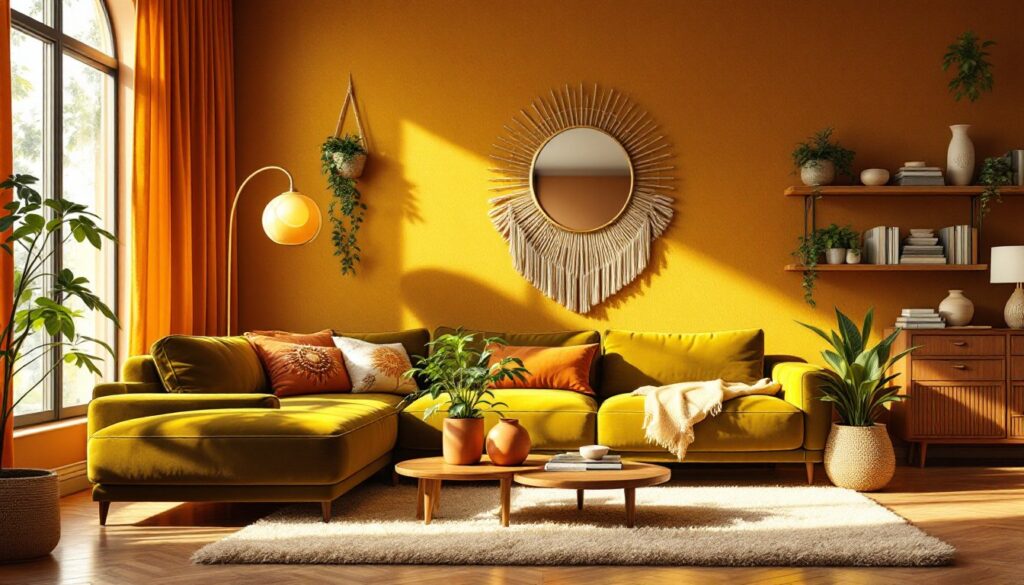
Color defines 70s interiors more than any other element. The palette splits into two camps: earthy neutrals and saturated jewel tones. Harvest gold, burnt orange, avocado green, and chocolate brown were ubiquitous, often paired together in ways that would make modern color theorists wince, but somehow worked.
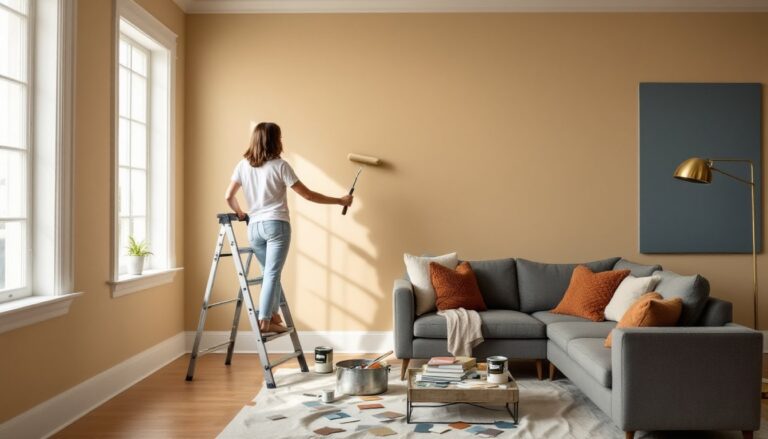
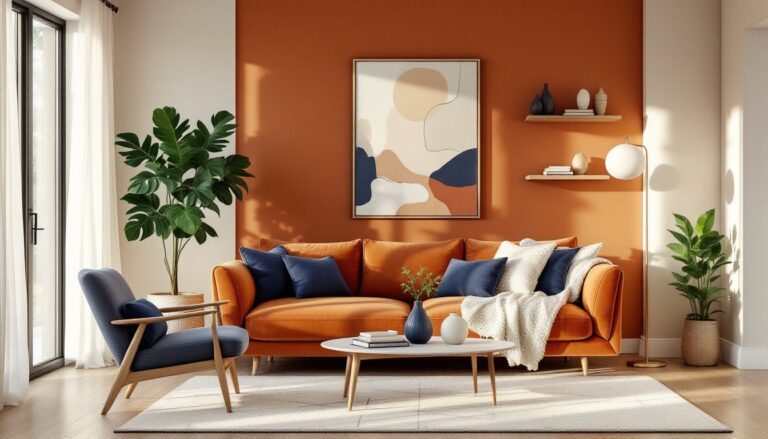
For walls, consider warm terracotta, mustard yellow, or a deep olive. These hues create cozy, enveloping spaces that feel dramatically different from today’s greige dominance. If painting an entire room feels too bold, try an accent wall or limit darker shades to trim and built-ins. Many homeowners pair retro colors with neutral furniture to balance the intensity.
Latex paint in satin or eggshell finishes works well for living rooms, it’s durable and easier to clean than flat. Expect coverage around 350-400 square feet per gallon depending on surface texture and color depth. Darker, richer tones often require two coats over primer for even saturation.
For a softer approach, stick with warm neutrals, camel, tan, cream, and rust, and introduce pops of burnt orange or teal through textiles and accessories. The key is warmth: avoid cool grays and stark whites, which clash with the era’s cozy aesthetic. Don’t forget the ceiling, some 70s spaces featured painted ceilings in soft peach or butter yellow to enhance ambient warmth.
Incorporate Iconic 70s Furniture and Seating
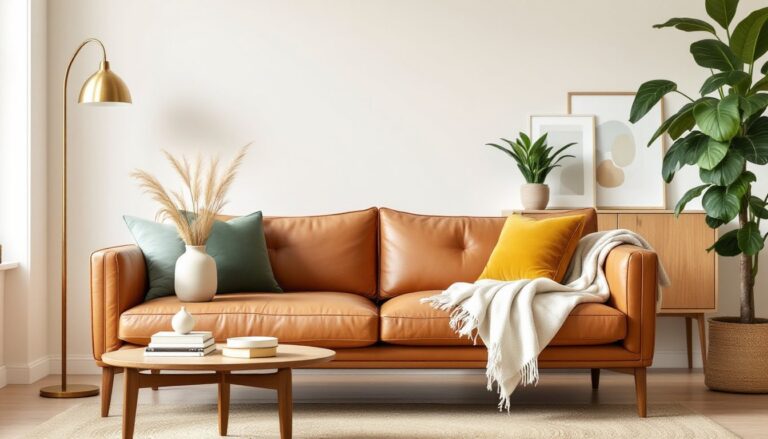
Furniture from this era emphasized low, horizontal lines and organic shapes. The classic 70s sofa sits low to the ground with deep, plush cushions and wide arms, think modular sectionals or tufted velvet loveseats. Upholstery leaned heavy on velvet, corduroy, and bouclé in those signature earthy or jewel tones.
Modular seating was a game-changer in the 70s, allowing homeowners to reconfigure layouts for parties or conversation. Modern versions are widely available and work beautifully in contemporary living rooms seeking flexible arrangements. Look for pieces with removable, reversible cushions, practical for families and easier to maintain.
Wood furniture should be warm-toned: walnut, teak, or oak with visible grain. Avoid painted or distressed finishes, which feel more farmhouse than retro. Low credenzas, slatted benches, and geometric coffee tables with thick, chunky legs capture the period’s vibe. Rattan and cane furniture also fit the natural aesthetic, chairs, side tables, and even room dividers made from woven materials add texture without visual weight.
Shopping vintage? Inspect frames for stability and check cushion foam for deterioration. Reupholstering a vintage piece with period-appropriate fabric can be more cost-effective than buying new, especially for statement chairs. If going new, retailers like West Elm and CB2 offer 70s-inspired silhouettes without the vintage markup.
Avoid mixing too many furniture styles. Stick with either the streamlined, angular look or the softer, rounded aesthetic, not both. Consistency in furniture profiles keeps the space cohesive rather than cluttered.
Add Retro Patterns and Textured Fabrics
The 70s loved pattern, and not in small doses. Geometric prints, paisley, florals, and abstract sunbursts appeared on everything from wallpaper to throw pillows. The trick to pulling this off in 2026 is balance: choose one or two dominant patterns and keep the rest tonal or textured.
Shag carpet is perhaps the most iconic 70s textile. Modern versions come in shorter pile heights (around 1.5 to 2 inches) that are easier to vacuum than the originals. Shag works best as an area rug rather than wall-to-wall: it defines seating areas without overwhelming the space. Opt for neutral tones like cream, rust, or caramel to ground bolder furniture.
Wallpaper makes a strong comeback, and 70s-inspired patterns are easy to find. Grasscloth, cork, or textured vinyl wallpapers in earthy tones add depth without pattern overload. If going bold with a geometric or floral print, limit it to one accent wall and keep surrounding walls neutral. Peel-and-stick options make this a renter-friendly DIY project, though traditional paste-up wallpaper offers better longevity.
For soft furnishings, layer textures: velvet pillows, macramé throws, nubby wool blankets, and corduroy cushions. Macramé wall hangings are DIY-friendly for anyone handy with knots: kits and tutorials are widely available. Hang them above a sofa or credenza as a textural focal point.
Window treatments should be heavy and warm, think floor-length curtains in linen or velvet, preferably in a solid tone that complements the wall color. Avoid sheer or modern roller shades, which break the retro mood. Hardware in brass or dark wood keeps the look period-correct.
Layer Vintage Lighting and Statement Fixtures
Lighting in the 70s was sculptural and dramatic. Forget recessed cans, this era celebrated fixtures as art. Arc floor lamps with large, curved arms and globe or drum shades were standard, often positioned over a sofa or seating area to create intimate pools of light. These are still widely manufactured and instantly evoke the period.
Pendant lights in bold shapes, Sputnik chandeliers, globe clusters, or woven rattan shades, work well over dining areas or in open-plan living rooms. Brass and smoked glass finishes are period-appropriate. When selecting pendants, consider scale: a 24- to 30-inch-diameter fixture suits most living rooms, while smaller spaces need proportionally smaller fixtures to avoid visual overwhelm.
Table lamps with ceramic or turned wood bases in earthy glazes (mustard, olive, terracotta) add ambient warmth. Pair them with linen or fabric drum shades in neutral tones. Avoid metal or industrial-style shades, which skew too modern.
Many 70s fixtures used incandescent bulbs, which cast warm, yellow-toned light. Modern LED bulbs labeled 2700K replicate that warmth without the energy waste. Dimmer switches are essential for setting mood, most 70s spaces relied on layered, adjustable lighting rather than bright overhead floods.
If working with existing ceiling boxes, ensure they’re rated for the weight of heavier vintage-style fixtures. Pendant lights and chandeliers over 50 pounds may require additional bracing installed between ceiling joists, check local building codes or consult an electrician. Safety first: always turn off power at the breaker before installing or replacing fixtures, and wear safety glasses when working overhead.
Accessorize with 70s Decor and Natural Elements
Accessories tie the whole look together, and the 70s offered no shortage of quirky, nature-inspired decor. Houseplants were everywhere, spider plants, pothos, ferns, and rubber trees in ceramic or macramé hanging planters. They soften hard edges and improve air quality, though expect to water and rotate them regularly.
Ceramic pottery in earth tones or bold glazes, vases, planters, bowls, adds texture to shelves and credenzas. Look for pieces with organic, irregular shapes rather than sleek modern symmetry. Thrift stores and estate sales are goldmines for authentic vintage pottery.
Sunburst mirrors and geometric wall art in brass or dark wood were hallmark decor pieces. They reflect light and draw the eye upward, making rooms feel larger. Install them as focal points above a sofa or fireplace, ensuring they’re secured into studs or heavy-duty drywall anchors, brass frames can weigh 15-20 pounds or more.
Books, vinyl records, and analog media fit the era’s analog lifestyle. Open shelving styled with vintage hardcovers, ceramic pieces, and woven baskets creates visual interest. Avoid overly curated or minimalist shelving: the 70s embraced lived-in, collected looks.
Textile art, woven wall hangings, framed fabric prints, or vintage posters, adds color and personality. Design inspiration platforms like MyDomaine showcase modern interpretations of these retro elements. When hanging art or mirrors, use a level and measure twice, nothing kills a retro vibe faster than crooked decor.
Finally, don’t overlook the details: rotary phones (even non-functional ones), vintage bar carts, and natural fiber baskets for storage all reinforce the aesthetic. The goal is a space that feels curated over time, not bought all at once from a single retailer.
Conclusion
Recreating a 70s living room in 2026 isn’t about slavish reproduction, it’s about capturing the era’s warmth, boldness, and tactile richness in a way that works for modern life. Focus on foundational elements: earthy or saturated color palettes, low-profile furniture in natural materials, layered textures, and statement lighting. Balance vintage finds with new pieces that echo retro silhouettes, and don’t be afraid to edit, not every trend from the decade needs to make the cut. With thoughtful choices and a bit of DIY confidence, anyone can bring that groovy, welcoming vibe home.