Table of Contents
ToggleCurved sofas are making a comeback, and they’re not just for mid-century throwback enthusiasts anymore. These sculptural pieces reshape how a room flows, creating conversation zones that straight-backed sectionals can’t match. If you’ve been eyeing one for your living room but aren’t sure how to make it work with your space, the good news is they’re more versatile than you think. Whether you’re working with a sprawling open concept or a compact footprint, a curved sofa can anchor the room without boxing it in. Let’s walk through practical placement strategies, styling tips, and furniture pairings that’ll help you pull off this trend without it looking forced.
Key Takeaways
- Curved sofa living room ideas center on floating the piece 12–18 inches from walls to showcase its sculptural shape and improve room flow while preventing navigation hazards.
- Position curved sofas to face primary focal points like fireplaces or windows, and use area rugs (at least 8×10 feet) to anchor the seating zone and define living spaces in open-concept layouts.
- Solid-colored upholstery in neutrals or bold jewel-tone velvet emphasizes the sofa’s curves better than busy patterns, while layered lighting from floor and table lamps flatters the design more than direct overhead light.
- Pair curved sofas with round, oval, or kidney-shaped coffee tables that echo the sofa’s geometry, or skip the coffee table entirely and use ottomans or nesting tables for flexible arrangements.
- In smaller spaces, opt for apartment-scale curved sofas (80–100 inches wide) in light colors, combine with multi-functional furniture, and use wall-mounted storage to maximize floor space without sacrificing the design intent.
- Balance a curved sofa with angular accent chairs, round side tables, and wall décor wider than the sofa’s highest point, plus 3–5 layered pillows in varying textures to break up the piece’s expanse.
Why Curved Sofas Are Perfect for Modern Living Rooms
Curved sofas solve a fundamental problem in modern homes: they soften hard angles and create natural gathering spots. Unlike traditional three-cushion sofas that push everyone into a straight line, the arc of a curved design encourages face-to-face conversation. That’s a big reason why 70s-inspired curved couches have resurged in popularity, they bring intimacy back to larger rooms.
From a flow perspective, curves work better in high-traffic areas. There are no sharp corners to navigate around, which is especially helpful in homes with kids or pets. The rounded profile also makes a room feel less rigid, balancing out rectangular architecture, boxy windows, and flat-screen TVs.
Another practical advantage: sightlines. A curved sofa naturally directs attention toward a focal point, fireplace, media console, or picture window, without requiring everyone to crane their necks. If you’re updating a space that already leans toward modern living room aesthetics, the organic shape adds visual interest without clutter.
One trade-off to keep in mind is footprint. Curved sofas take up more floor area than equivalent linear models, so they work best in rooms with at least 12 feet of clear width. Measure twice, especially if you’re ordering online, most retailers don’t accept returns on upholstered furniture.
Best Placement Strategies for Curved Sofas
Placement makes or breaks a curved sofa. The first rule: don’t shove it against a wall. That defeats the sculptural purpose and makes the piece look awkward. Instead, float it in the room with at least 12–18 inches of clearance behind the sofa. This creates a natural walkway and lets the curve breathe.
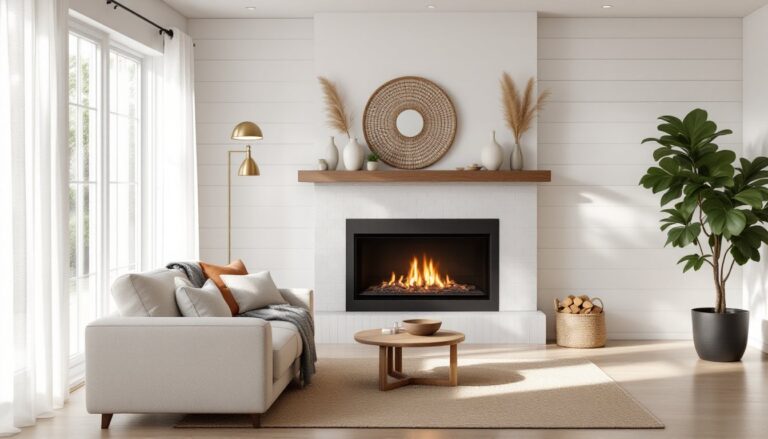
In square or rectangular rooms, position the sofa so it faces the primary focal point, typically a fireplace, entertainment center, or large window. The arc should wrap visitors in, not point them toward a blank wall. If you have a corner fireplace or an off-center TV, angle the sofa slightly rather than forcing it into perfect symmetry.
For rooms with multiple entry points, place the curved sofa opposite the main entrance. This anchors the space and gives guests a clear destination when they walk in. Pair it with a console table behind the sofa if you need extra surface area for lamps or décor, just make sure the table follows the curve (or use two small tables at the ends).
Another trick: use the sofa to create zones in a larger room. A curved piece can divide a reading nook from a TV area without needing a full room divider. This works especially well when you’re figuring out how to arrange living room seating in a multifunctional space.
Styling Curved Sofas in Open-Concept Spaces
Open-concept layouts are where curved sofas shine. Use the arc to define the living area without blocking sightlines to the kitchen or dining zone. Position the sofa so the back faces the kitchen, this creates a subtle boundary while keeping the space visually connected.
In an open plan living room, rugs are your best friend for anchoring the seating zone. Choose a large area rug (at least 8×10 feet) that extends under the front legs of the sofa and any accent chairs. This visually ties the furniture together and keeps the curved piece from feeling like it’s floating in no-man’s-land.
Avoid centering the sofa directly under a ceiling light fixture, curved designs look best when lit from multiple angles. Use floor lamps at each end or table lamps on side tables to create layered lighting. If you have recessed cans, position them so they graze the sofa from the sides rather than blasting down from above.
Color and Fabric Choices That Complement Curved Designs
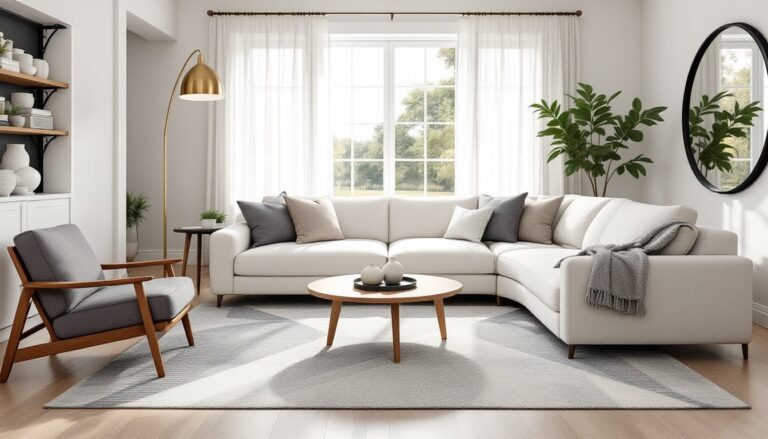
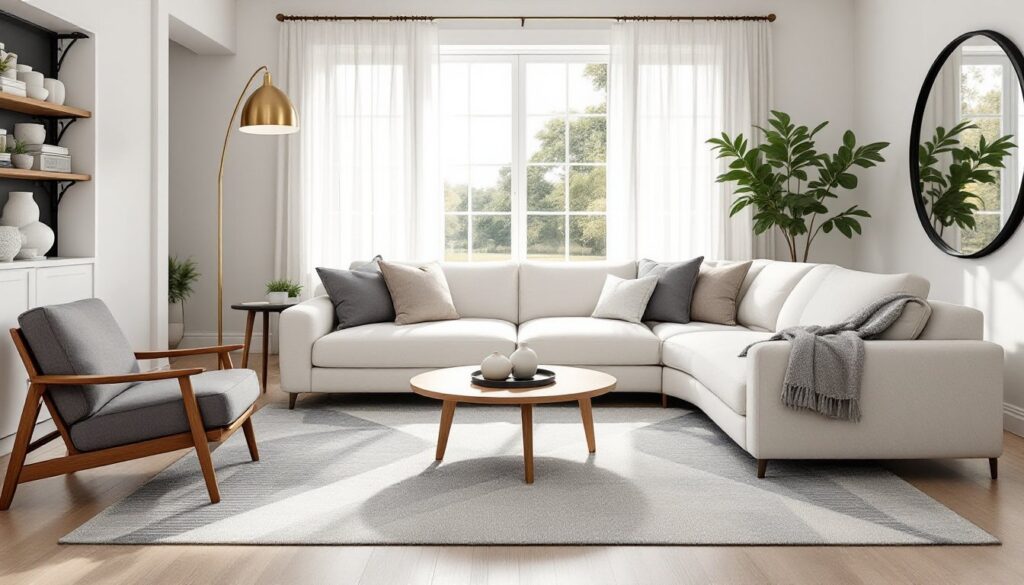
Fabric choice impacts how a curved sofa reads in the room. Solid colors tend to emphasize the sculptural shape, while busy patterns can distract from the silhouette. If you want the curve to be the hero, stick with neutral upholstery, beige, gray, charcoal, or cream, and bring in color through pillows and throws.
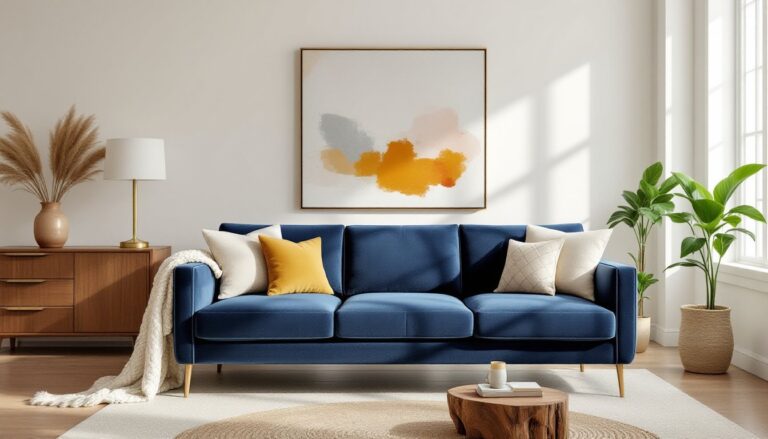
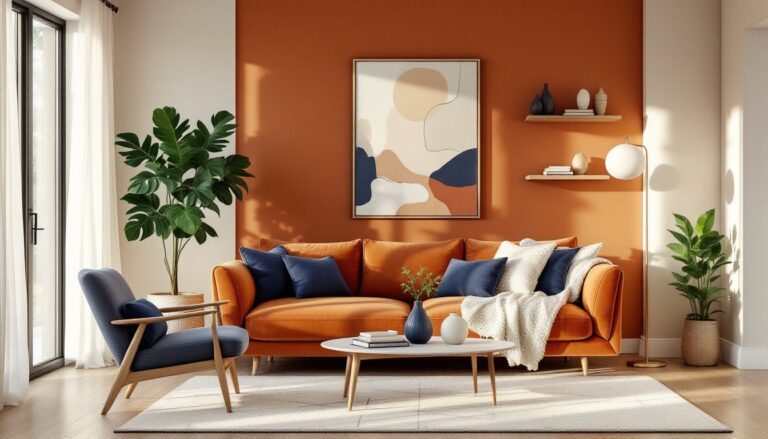
That said, don’t shy away from bold hues if the rest of your room is relatively simple. A jewel-tone velvet (emerald, sapphire, burnt orange) can make a curved sofa the focal point, especially if your walls and floors are neutral. Velvet also highlights the curves better than flat-weave fabrics, thanks to the way it catches light.
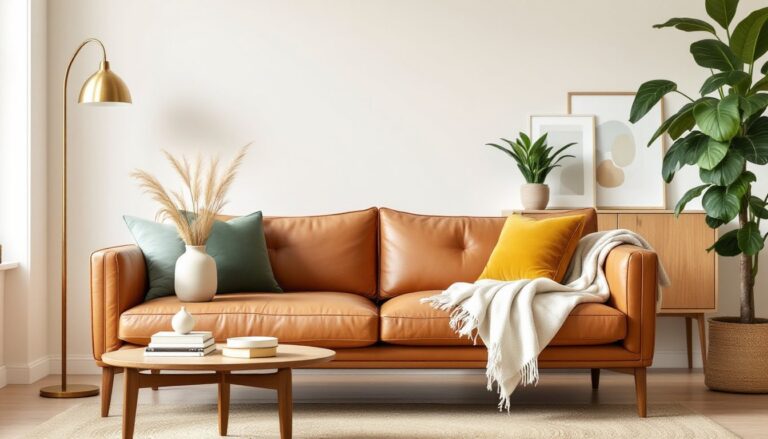
For durability, look for performance fabrics with a Martindale rating above 30,000 if you’ve got kids or pets. Crypton, Sunbrella, and similar treatments repel stains without sacrificing softness. Leather and faux leather are other solid options, they’re easy to wipe down and develop a lived-in patina over time.
One design tip from House Beautiful pros: match the sofa color to your largest architectural element (wall color, flooring, or ceiling tone) if you want it to blend, or contrast it sharply if you want it to pop. In rooms with dark wood floors, a light linen or cream bouclé sofa creates breathing room. In all-white spaces, a charcoal or navy piece adds grounding weight.
Pairing Curved Sofas with Coffee Tables and Rugs
Coffee table selection gets tricky with curved sofas. Standard rectangular tables can look jarring next to an arc. The best options are round, oval, or kidney-shaped tables that echo the sofa’s geometry. A round table with a 36–42 inch diameter works well for most curved sofas, leaving about 14–18 inches between the table edge and the sofa front.
If you prefer a rectangular or square table, choose one with rounded corners or a glass top. The transparency of glass softens the angular lines. Another approach: use two smaller tables (nesting tables or matching side tables) instead of one large coffee table. This gives you flexibility to rearrange based on how you’re using the space.
Some homeowners skip the coffee table entirely and use a large ottoman or upholstered pouf in the center. This works especially well in family rooms where you want extra seating or a spot to prop your feet. Just make sure the ottoman has a firm top or add a tray so you have a stable surface for drinks.
Rug sizing is critical. The rug should extend at least 6–12 inches beyond the outer edges of the sofa on each side. For a standard curved sofa (around 110–130 inches wide), that usually means a 9×12 foot rug or larger. If you’re working in a smaller space, you might explore solutions similar to those used in living rooms without coffee tables, where layout flexibility matters more than tradition.
Choose rug patterns carefully. Large-scale geometric or abstract patterns can compete with the sofa’s curve. Low-pile rugs with subtle texture (like a jute weave or tonal stripes) tend to work better than high-contrast prints.
Creating Balance with Accent Chairs and Décor
A curved sofa needs supporting players to avoid looking like a design island. Accent chairs are the easiest fix. Place one or two chairs opposite or perpendicular to the sofa to complete the conversation circle. Angular chairs (like a mid-century armchair with straight lines) provide a nice counterbalance to the sofa’s curves.
Avoid matching the accent chairs to the sofa exactly, it can read as too matchy. Instead, pull a secondary color from your rug or artwork. If your sofa is neutral, the chairs are a great place to introduce pattern or texture (think a leather club chair or a patterned wingback).
Side tables matter more than you’d think. Use round or oval side tables to maintain the organic feel. A 22–26 inch tall table works for most standard sofa arm heights. If your curved sofa has low arms or no arms, go with a shorter table (around 18–20 inches).
Wall décor should balance the sofa’s horizontal sweep. Hang artwork or mirrors above eye level (typically 60–66 inches from the floor to the center of the piece) and wider than the sofa’s tallest point. A large round mirror or a gallery wall with circular frames reinforces the curved theme. Linear artwork (like a horizontal landscape or a series of framed prints) provides contrast.
Pillows and throws are non-negotiable for breaking up the sofa’s expanse. Use 3–5 pillows in varying sizes (start with 22-inch squares in the corners, then layer in 18-inch or lumbar pillows). Mix textures, velvet, linen, knit, to add dimension. Drape a throw over one arm rather than centering it: this keeps the look relaxed instead of staged.
Small Living Room Solutions with Curved Sofas
Curved sofas can work in smaller spaces, you just need to be strategic. Look for apartment-scale models (around 80–100 inches wide) rather than sprawling sectionals. A smaller arc still creates intimacy without hogging every square foot.
In tight quarters, push the sofa closer to walls but keep the curve facing into the room. This maximizes usable floor space while preserving the design intent. Skip the coffee table or use a small nesting table that can tuck away when not needed.
Light colors help a curved sofa recede visually in a small room. Choose upholstery in soft grays, beiges, or pastels that blend with your wall color. Dark or bold sofas work too, but they’ll dominate the space, which can be a good thing if you want the sofa to be the focal point and you’re keeping everything else minimal.
Multi-functional furniture is your friend. Pair the sofa with an ottoman that doubles as storage, or use a narrow console table behind the sofa as a work surface or bar. Wall-mounted shelving keeps the floor clear and draws the eye up, making the room feel taller.
For layout inspiration that maximizes compact footprints, check out ideas for stylish living rooms that prioritize comfort without crowding. Another option: mount the TV on the wall and eliminate a bulky media console. This frees up floor space and keeps sightlines open.
One final tip from Homedit design experts: use mirrors strategically. A large mirror on the wall opposite a window reflects natural light and makes the room feel twice as large. Lean an oversized floor mirror against the wall behind the sofa for a casual, layered look that doesn’t require drilling.