Table of Contents
ToggleYour Airbnb’s living room is where guests form their first real impression, and where they’ll spend most of their downtime. A cramped, dated, or poorly lit space can sink even the best-located listing. But a thoughtfully designed living room? That earns glowing reviews, repeat bookings, and commands higher nightly rates. The goal isn’t to create a magazine spread: it’s to build a space that feels welcoming, functions seamlessly, and survives guest turnover without constant repairs. Here’s how to design an Airbnb living room that delivers comfort, style, and durability.
Key Takeaways
- A well-designed Airbnb living room must balance style, comfort, and durability to photograph beautifully while withstanding heavy guest use without constant repairs.
- Smart layout choices—including proper furniture spacing, area rugs to define zones, and seating oriented toward focal points—create an intuitive, welcoming first impression.
- Invest in performance fabrics and durable furniture like mid-century modern pieces with solid wood frames, leather, or faux leather that resist stains and wear better than delicate materials.
- Layer your Airbnb living room with textures, throw pillows, area rugs, and curtains to add warmth and personality while keeping a cohesive, clutter-free aesthetic.
- Multi-purpose furniture, hidden storage ottomans, and strategic lighting with dimmer switches maximize function and allow guests to control ambiance for any situation.
- Prioritize practical elements like proper lighting (ambient, task, and accent sources), blackout curtains, and accessible storage solutions over decorative touches that don’t serve guest needs.
Why Your Airbnb Living Room Is Your Most Important Investment
The living room is the hub of any rental, it’s where guests unwind, work remotely, gather with friends, or simply scroll through their phones after a long day. Unlike bedrooms, which guests use primarily for sleeping, the living room sees constant action. That means wear and tear, spills, and the occasional misuse of furniture.
A well-designed Airbnb living room does three things: it photographs beautifully for your listing, it withstands heavy use without looking worn, and it provides genuine comfort. Skimp on any of these, and you’ll either lose bookings upfront or face negative reviews down the line.
Focus your budget on high-impact items: a durable sofa, quality lighting, and versatile storage. These elements directly affect guest satisfaction and your maintenance schedule. Decorative touches matter, but they’re secondary to function. If you’re managing multiple properties, standardizing certain elements, like slipcovers, throw pillows, or area rugs, can streamline restocking and reduce costs.
Create a Welcoming First Impression with Smart Layout Choices
The moment a guest steps into your Airbnb, the layout should feel intuitive. Avoid blocking sightlines with oversized furniture or awkward traffic patterns. In smaller spaces, consider apartment-friendly layouts that maximize floor space without sacrificing seating.
Measure your space carefully. A standard 84-inch sofa might look perfect online, but if your living room is only 10×12 feet, you’ll end up with a cramped, claustrophobic feel. Leave at least 30 inches of walkway space around furniture to allow easy movement.
For properties with open-plan designs, use area rugs or furniture placement to define zones. A rug under the seating area visually separates the living space from the dining or kitchen area without walls. This trick is especially useful in studios or loft-style rentals.
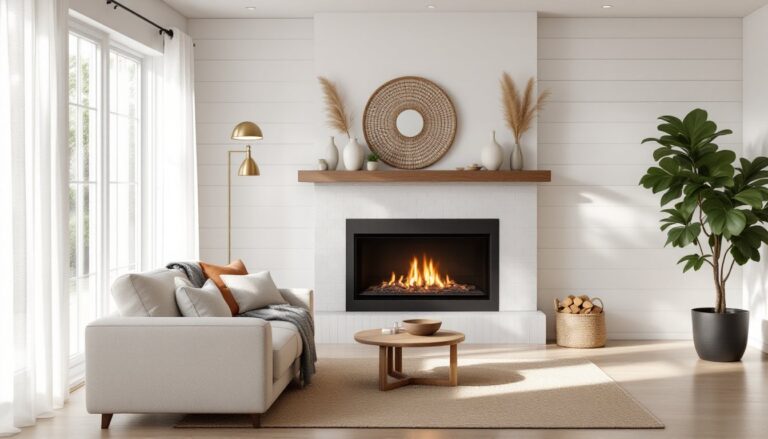
Orient seating toward a focal point, a fireplace, a window with a view, or a wall-mounted TV. Avoid floating furniture in the center of the room unless you have ample square footage. Anchor pieces to walls or architectural features to create a sense of order.
Choose Durable, Stylish Furniture That Stands Up to Guest Traffic
Guests won’t treat your furniture like their own. That’s not pessimism, it’s reality. Choose pieces that can handle spills, scuffs, and the occasional suitcase being dragged across the seat cushion.
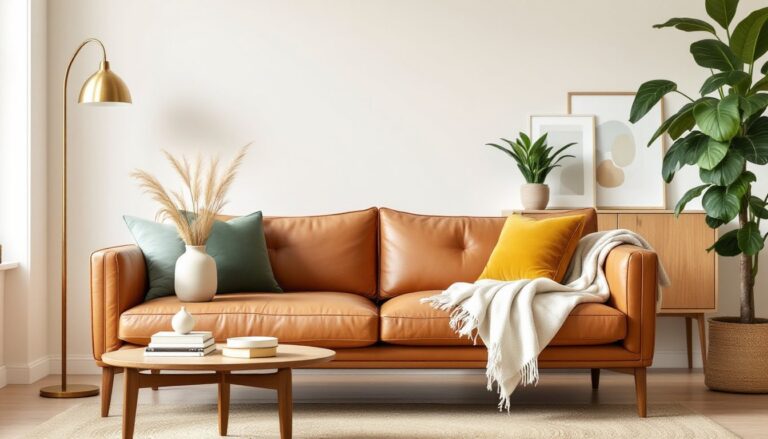
Performance fabrics are your best friend. Look for upholstery labeled as stain-resistant or treated with a protective finish. Crypton, Sunbrella, and similar brands are designed for commercial use and hold up far better than untreated linen or velvet. Leather and faux leather are also solid choices, they wipe clean easily and develop a lived-in patina that masks minor wear.
Avoid low-slung sofas or chairs with delicate legs. Stick with mid-century modern or transitional styles that balance aesthetics with sturdy construction. Solid wood frames are preferable to particleboard or flimsy metal. If you’re buying online, check the weight capacity and read reviews from other hosts or commercial buyers.
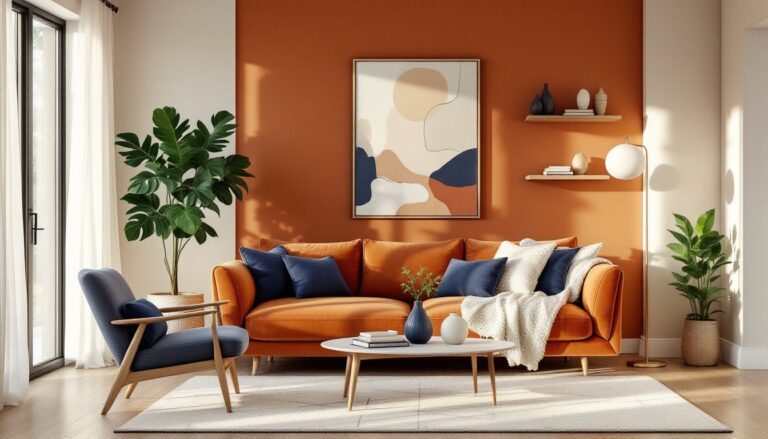
Skip the glass coffee table unless you enjoy replacing shattered tops. Opt for wood, metal, or composite materials instead. Removable, machine-washable slipcovers are a game-changer, they let you refresh the look between guests without replacing entire pieces. Design inspiration from sites like Homedit can help you identify styles that blend durability with appeal.
Add Comfort and Personality with Layered Textures and Textiles
A sterile, all-white living room might photograph well, but it won’t make guests feel at home. Layering textures, throw pillows, blankets, rugs, and curtains, adds warmth and visual interest without permanent commitment.
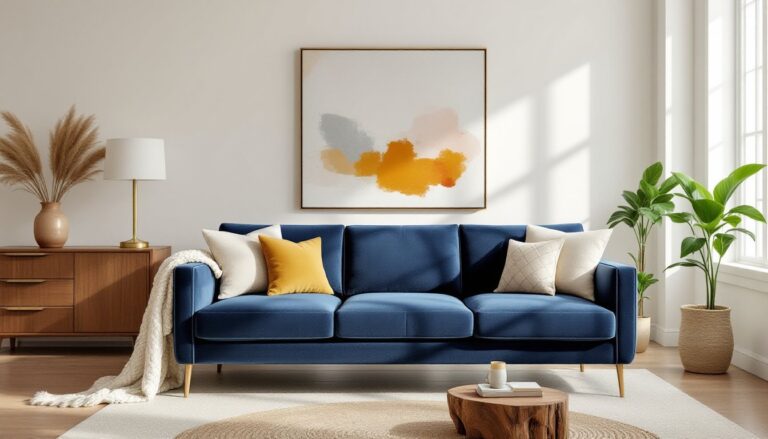
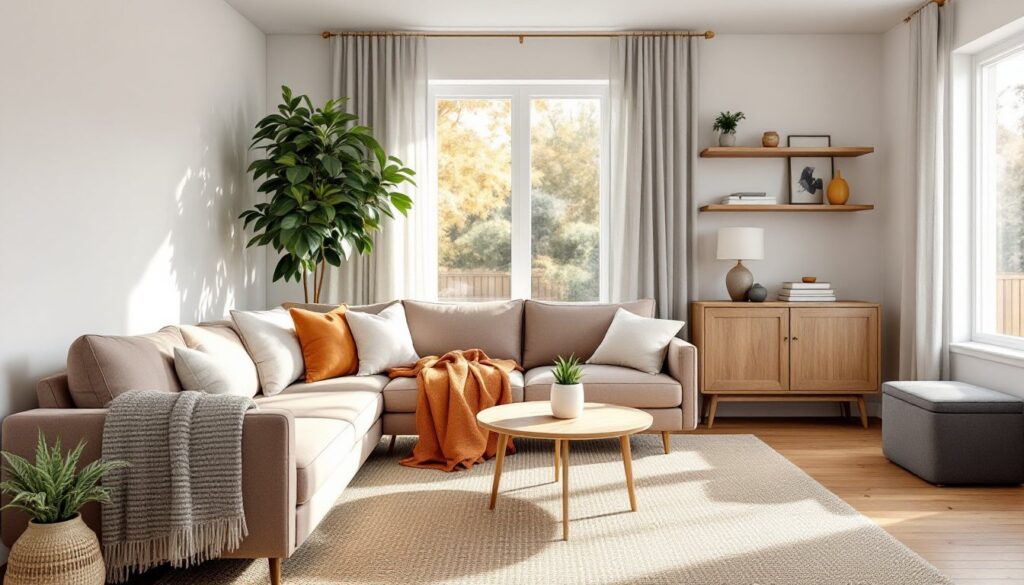
Use throw pillows in varying sizes and fabrics: a mix of 18×18-inch and 22×22-inch covers in cotton, linen, and faux fur creates depth. Stick to a cohesive color palette (neutrals with one or two accent colors) to avoid a chaotic look. Swap out covers seasonally if you want to keep the space feeling fresh.
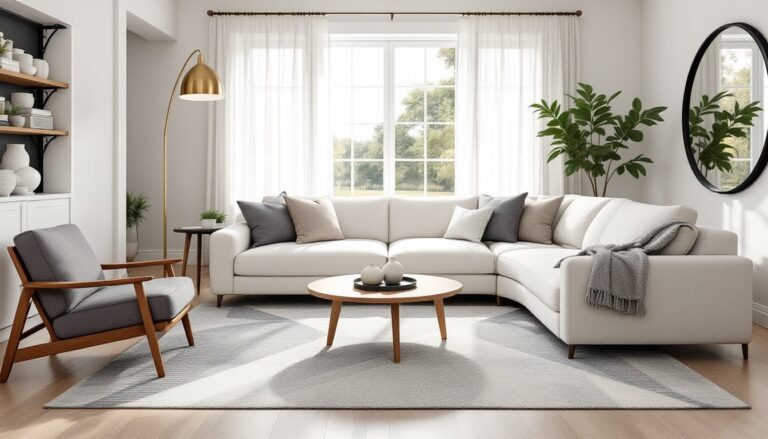
Area rugs define the seating zone and muffle sound, critical in urban rentals or multi-story buildings. Choose rugs at least 8×10 feet for a standard living room, and make sure all front legs of your sofa and chairs rest on the rug. Jute, wool, or polypropylene blends are durable and easy to clean. Avoid high-pile shag rugs, which trap dirt and are harder to vacuum.
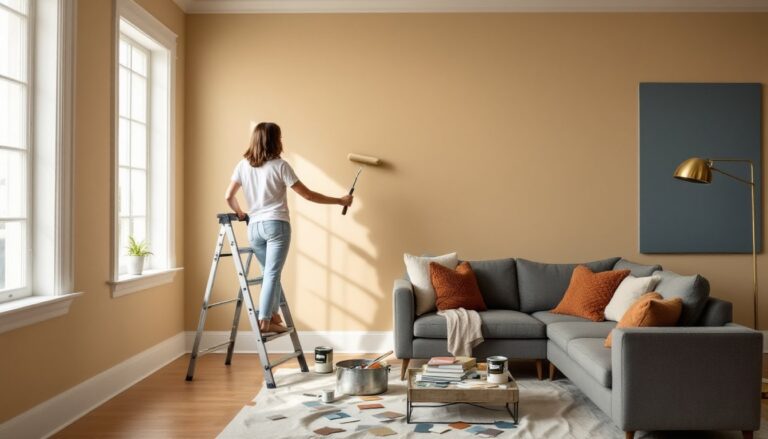
Blackout or thermal curtains improve sleep quality in open-plan spaces and help with climate control. Install them high (just below the ceiling) and wide (extending 6–12 inches beyond the window frame on each side) to make windows look larger. When considering your color scheme, remember that neutrals with warm undertones (beige, taupe, soft gray) are more forgiving than stark whites.
Design for Function: Storage Solutions and Multi-Purpose Pieces
Guests bring luggage, groceries, kids’ toys, and sports gear. If your living room lacks storage, clutter will take over within hours, and clutter kills the vibe.
Built-in shelving or floating shelves provide spots for books, decor, and a few curated objects. Keep shelves mostly empty: overstuffed shelves read as messy. A console table behind the sofa offers extra surface space without eating into walking areas.
Ottomans with hidden storage are workhorses. They function as extra seating, footrests, and a place to stash extra blankets or board games. Choose a 36-inch square ottoman or a pair of smaller ones for flexibility.
For smaller Airbnbs, a living room without a traditional coffee table can open up the floor plan. Substitute with nesting tables, a bench with storage, or a slim side table that slides under the sofa arm. Multi-purpose furniture, like a sleeper sofa for overflow guests or a drop-leaf dining table, maximizes utility without crowding the room.
Provide hooks or a coat rack near the entrance. Simple details like this prevent guests from piling jackets on furniture.
Lighting and Ambiance: Setting the Mood for Every Guest
Overhead lighting alone is a mistake. It’s harsh, unflattering, and creates a cold, institutional feel. Layer your lighting with ambient, task, and accent sources to give guests control over the mood.
Install dimmer switches on overhead fixtures, they cost $15–$30 and take 20 minutes to install (turn off the breaker first). Pair that with floor lamps (at least one per seating area) and table lamps on side tables or consoles. Aim for 2,700K to 3,000K bulbs for a warm, inviting glow.
LED strip lights or recessed lighting under shelves or behind the TV add a modern touch. Smart bulbs let guests adjust brightness and color temperature via app or voice control, handy for remote workers or families with different schedules. If you’re upgrading fixtures, LED technology is energy-efficient and reduces bulb replacement frequency.
Natural light is a selling point. Keep window treatments simple and easy to operate. Roller shades or cordless blinds are cleaner and safer than traditional mini-blinds, which tend to break or tangle. If privacy is a concern, install sheer curtains behind heavier drapes.
Consider adding a statement light fixture, a sculptural pendant or a vintage-style arc lamp, as a focal point. This elevates the space and provides photo-worthy detail for your listing. For design inspiration, look at how small-space experts use lighting to make rooms feel larger and more layered.
Conclusion
A high-performing Airbnb living room isn’t about trends or expensive furniture, it’s about thoughtful choices that balance style, comfort, and durability. Prioritize layout and lighting, invest in performance fabrics and multi-purpose pieces, and layer in textures that add personality without sacrificing function. The result? A space that photographs beautifully, stands up to guest turnover, and earns the reviews that keep your calendar booked.