Table of Contents
ToggleA black accent wall isn’t a design risk, it’s a statement. When done right, it anchors a living room, adding depth and drama without overwhelming the space. Whether someone’s working with a cramped apartment or a sprawling open-concept layout, a single black wall can redefine the room’s entire character. The key is knowing which wall to paint, how to finish it, and what to pair it with. This guide walks through practical strategies for pulling off a black accent wall that looks intentional, not like a mistake someone’s trying to justify.
Key Takeaways
- A black accent wall creates an instant focal point and anchors a living room by adding depth and drama without overwhelming the space, making it an effective design strategy for any layout.
- Choose the wall behind your sofa, opposite windows, or around a fireplace for maximum impact, and avoid high-traffic walls with multiple doorways where constant movement detracts from the accent effect.
- Matte black finishes hide imperfections and work best in living rooms, while satin or eggshell options offer easier maintenance for homes with kids or pets.
- Pair your black accent wall with light-colored furniture, bold artwork, greenery, and metallic accents to create strong visual contrast and prevent the space from feeling flat or enclosed.
- Layered lighting is essential—combine ambient, task, and accent lighting along with warm white bulbs (2700K-3000K) and dimmers to transform a black accent wall from a dark void into an atmospheric focal point.
- Classic black accent wall color combinations include black with white trim and natural wood, warm neutrals, jewel tones, or metallic accents to suit any design style while maintaining visual balance.
Why Choose a Black Accent Wall for Your Living Room?
Black does something most colors can’t, it creates instant focal points without shouting. In living rooms, that means drawing the eye to architectural features, art collections, or a media setup that deserves attention.
From a practical standpoint, black hides imperfections. Minor wall texture issues, patched drywall, or slight inconsistencies disappear under a deep matte black. It’s also forgiving with scuffs and marks compared to lighter shades, which matters in high-traffic areas.
The color works particularly well in rooms with strong natural light. A black wall absorbs brightness during the day and creates cozy contrast at night. In smaller spaces, it can actually make rooms feel larger by adding perceived depth, counterintuitive, but effective when the remaining walls stay light.
Black pairs with nearly any design style. Mid-century modern, industrial, Scandinavian, or traditional, it adapts. That versatility means homeowners won’t need to rip it out when tastes shift in a few years.
Best Walls to Paint Black in Your Living Room
Not all walls are equal candidates for black paint. The right choice depends on the room’s layout and natural light sources.
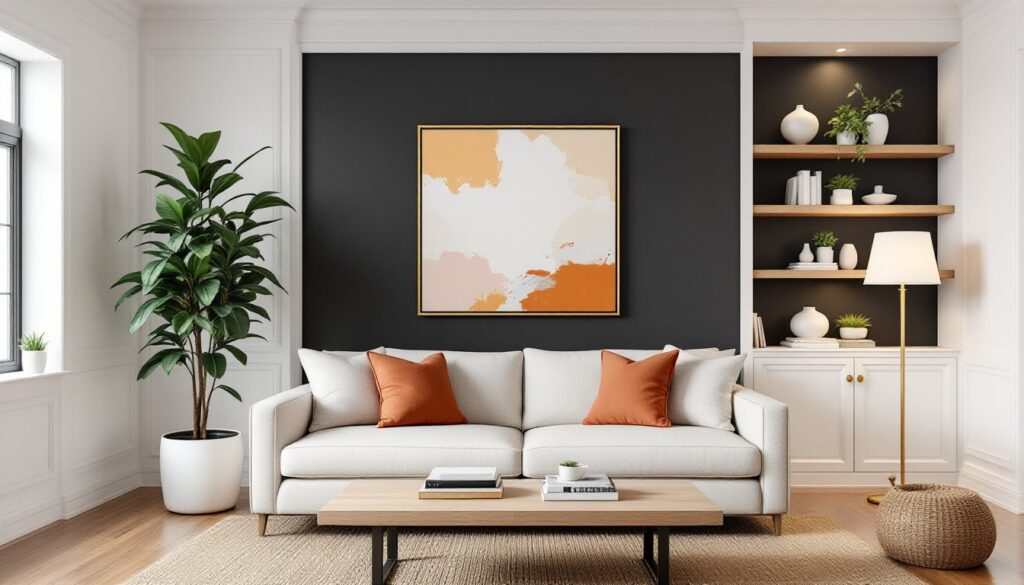
Behind the sofa or main seating area: This wall naturally becomes a backdrop for furniture and decor. Painting it black frames the seating arrangement and makes lighter-colored sofas or artwork pop. Many modern living rooms use this approach to define zones.
The wall opposite windows: This position maximizes light reflection throughout the day. The black surface absorbs and diffuses natural light, creating depth without making the room feel dark. It’s especially effective in south-facing rooms with abundant sunlight.
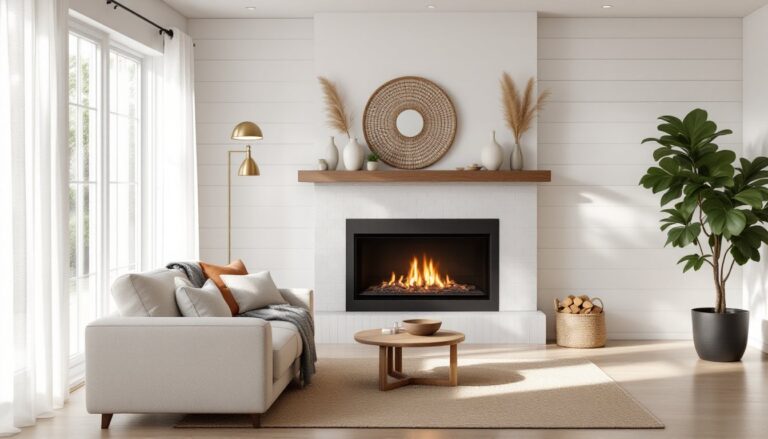
Fireplace walls: If there’s a fireplace or built-in shelving, painting that wall black emphasizes the architectural feature. The dark background makes white trim, wood mantels, or colorful books on shelves stand out sharply.
Short walls in rectangular rooms: In long, narrow living rooms, painting the shorter end wall black visually pulls it forward, making the room feel more balanced and less corridor-like.
Avoid painting walls with multiple doorways or heavy traffic patterns black, the constant movement detracts from the accent effect. Also skip walls with poor lighting and no windows, which can make spaces feel like caves rather than cozy.
Black Accent Wall Paint Finishes and Textures
The finish matters as much as the color itself. Different sheens create entirely different effects with black paint.
Matte or flat finish: This is the go-to for most living rooms. Matte black absorbs light completely, creating a velvety, sophisticated look that hides wall imperfections. Brands like Benjamin Moore’s “Black” or Sherwin-Williams’ “Tricorn Black” in matte deliver rich, even coverage. Expect to apply two coats minimum over primer for full opacity. Coverage runs about 350-400 square feet per gallon.
Eggshell or satin: These finishes add subtle sheen that’s easier to clean than matte. They work well in homes with kids or pets where walls need occasional wiping. The slight reflectivity can make smaller rooms feel less enclosed. Contemporary apartment living rooms often benefit from this practical choice.
High-gloss or semi-gloss: Bold but tricky. Glossy black creates mirror-like drama and reflects light aggressively. It amplifies imperfections, so wall prep becomes critical, any drywall tape lines or texture variations will show. Use it sparingly, perhaps on a feature wall with perfectly smooth drywall or on wainscoting panels.
Textured applications: Beyond paint finish, consider actual texture. Venetian plaster in black creates depth and movement. Shiplap or board-and-batten painted black adds dimension. Peel-and-stick wallpaper with black patterns offers a rental-friendly alternative that’s reversible.
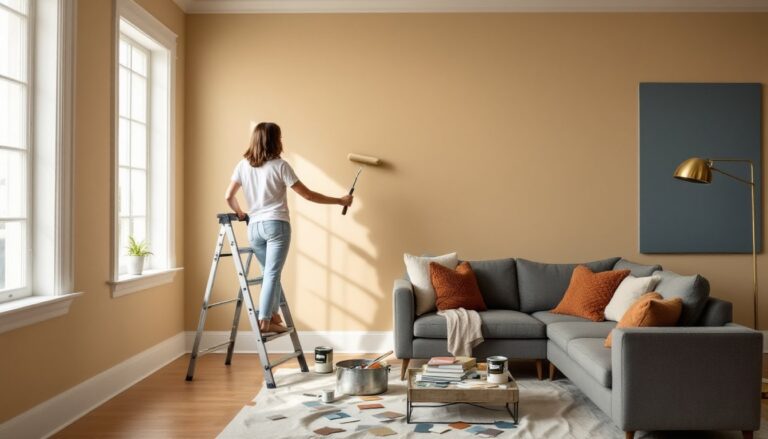
Prep work: Clean walls thoroughly with TSP (trisodium phosphate) substitute to remove grease and dirt. Fill any holes with spackling compound and sand smooth with 120-grit sandpaper. Prime with a gray-tinted primer, it reduces the number of black coats needed and prevents the original wall color from affecting the final shade. Most professional painters doing colors for living rooms won’t skip this step.
Styling Your Black Accent Wall: Furniture and Decor Tips
A black wall is a backdrop, not a void. It needs deliberate styling to avoid looking unfinished.
Furniture placement: Light-colored furniture creates the strongest contrast. A cream linen sofa, white leather chair, or natural oak coffee table all read clearly against black. Metal finishes, brass, chrome, or copper, catch light beautifully. Avoid placing dark furniture directly against the black wall unless there’s strong backlighting or contrasting throw pillows.
Wall decor: Black walls demand bold art choices. Large-scale pieces (36″ × 48″ or bigger) work better than small scattered frames. White or gilt frames create clean separation from the wall. Unframed canvas wraps disappear unless they have bright, high-contrast imagery. Gallery walls work if frames are consistent and spacing is tight, loose arrangements look cluttered on dark backgrounds.
Shelving and storage: Floating shelves in natural wood or white lacquer break up the black expanse. Style them with a mix of books, plants, and objects in varying heights. Glass or acrylic shelving creates a floating effect. Built-in shelving painted in contrasting colors becomes architectural sculpture.
Textiles and layers: Throw pillows, blankets, and rugs in warm tones (terracotta, mustard, blush) soften the black wall’s edge. Metallic accents in accessories add sparkle. Avoid monochrome black-and-white-only schemes unless going for stark minimalism, they can read cold without color warmth.
Plants and greenery: Living plants provide organic contrast. Large fiddle-leaf figs, monstera, or snake plants in white or terracotta pots pop against black. The color combination mimics nature and adds necessary life to the space. According to decorating advice from design experts, greenery is essential when working with dark accent walls.
Lighting Strategies for Black Accent Walls
Lighting makes or breaks a black accent wall. Poor lighting creates a cave: good lighting creates atmosphere.
Layered lighting approach: Combine three types, ambient (overhead), task (reading lamps), and accent (picture lights or uplights). The black wall absorbs overhead light, so relying solely on a ceiling fixture won’t work. Add floor lamps beside seating and table lamps on side tables to bounce light off lighter walls and furniture.
Wall washers and uplights: Mount LED strip lights behind furniture or at the baseboard to graze the black wall with light. This creates texture and prevents the wall from becoming a flat void. Adjustable track lighting aimed at the wall from opposite sides adds drama for evening entertaining.
Natural light maximization: Keep window treatments minimal during the day. Sheer curtains or light-filtering blinds let daylight interact with the black wall without creating glare on glossy finishes. South-facing windows provide the best light throughout the day.
Bulb selection: Use warm white bulbs (2700K-3000K) rather than cool white. Warm light complements black without making spaces feel sterile. Dimmer switches are essential, they let homeowners adjust mood from bright daytime to intimate evening.
Accent lighting for art: Picture lights or adjustable spotlights highlight artwork on the black wall. Battery-operated or plug-in picture lights avoid electrical work. They create visual hierarchy and prevent the wall from reading as one dark mass. Interior design resources like Homedit frequently showcase how proper lighting transforms dark accent walls.
Safety note: When installing new electrical fixtures, ensure circuits can handle the additional load. If running new wiring, consult NEC (National Electrical Code) requirements and consider hiring a licensed electrician for anything beyond plug-in fixtures.
Black Accent Wall Color Combinations That Work
Black isn’t a standalone, it needs supporting colors that play well together.
Black + white + natural wood: The classic. White trim, baseboards, and crown molding create crisp boundaries. Natural oak, walnut, or maple furniture adds warmth. This combination works in any design style and never feels dated. Many stylish living rooms rely on this timeless palette.
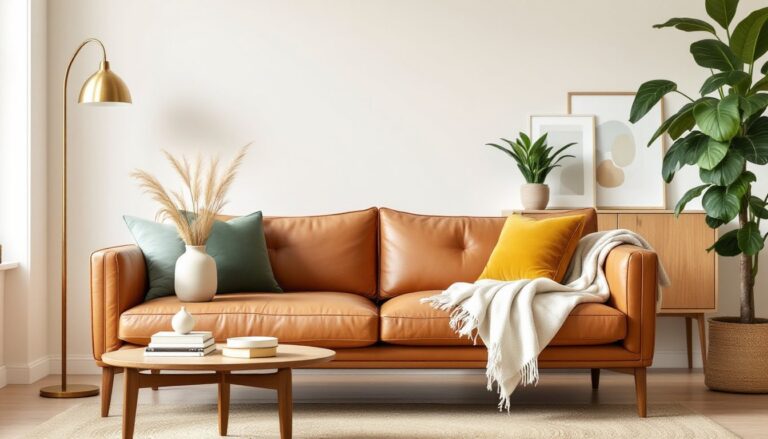
Black + warm neutrals (cream, beige, tan): Softer than stark white but still high-contrast. Cream walls on remaining surfaces keep spaces feeling open while the black wall adds weight. Camel leather furniture, jute rugs, and linen textiles complete the look.
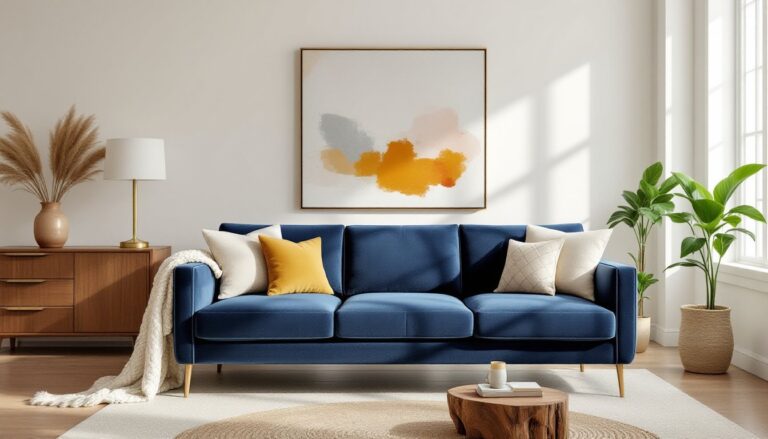
Black + jewel tones (emerald, sapphire, burgundy): For bold personalities. Use jewel tones in accent furniture, a velvet emerald sofa or sapphire blue armchair. Keep 60% of the room neutral, 30% black, and 10% jewel tone to avoid overwhelming the space.
Black + pastels (blush, sage, powder blue): Unexpected but effective. Soft pastels pop against black without the harshness of primary colors. This works particularly well in contemporary or Scandinavian-inspired spaces.
Black + metallics (brass, gold, copper): Adds luxury and light reflection. Gold-framed mirrors, brass floor lamps, and copper planters catch light and create visual interest. The metallic shimmer prevents black from feeling too heavy. Exploring different modern paint colors alongside black creates dimension.
Black + single bold color: Choose one accent color (mustard yellow, terracotta, burnt orange) and use it consistently in pillows, art, and accessories. This creates a cohesive, intentional look without feeling busy. Design sites like MyDomaine often feature this monochromatic-plus-one approach.
Paint adjacency: When the black accent wall meets another painted wall, use a crisp white trim piece or corner bead to separate colors cleanly. Attempting to cut a perfect line where black meets another color rarely works without painter’s tape and steady hands.
Conclusion
A black accent wall transforms a living room from ordinary to intentional with minimal effort and moderate cost. The project takes a weekend, requires basic painting skills, and delivers impact that rivals much more expensive renovations. Choose the wall thoughtfully, prep it properly, pick the right finish, and light it well. The rest comes down to styling choices that reflect personal taste. Black doesn’t have to be risky, it just has to be deliberate.