Table of Contents
ToggleA black fireplace can anchor a living room with dramatic impact, whether it’s a freshly painted brick surround or a sleek contemporary insert. The bold contrast draws the eye and creates a focal point that works with nearly every design style, modern, industrial, farmhouse, or traditional. Unlike neutral beige or gray, black adds weight and definition without feeling heavy when balanced with the right colors, textures, and lighting. This guide walks through practical design approaches, paint techniques, styling strategies, and color pairings to make a black fireplace the standout feature in any living room.
Key Takeaways
- Black fireplace living room ideas offer dramatic visual impact with minimal investment, working seamlessly across modern, minimalist, farmhouse, and traditional design styles.
- Proper preparation is essential when painting a fireplace—use high-heat paint rated to at least 1200°F within 18 inches of the firebox, prime with a bonding primer, and allow 7–14 days for full cure before lighting fires.
- Balance a black fireplace with lighter elements like white shiplap, natural wood furnishings, and neutral upholstery to prevent the room from feeling heavy or closed-in.
- A well-styled black fireplace mantel uses odd-numbered groupings and layered heights with a centered anchor piece like a mirror or painting, avoiding cluttered arrangements.
- Black fireplaces pair beautifully with warm neutrals, jewel tones, earth tones, or stark white schemes depending on your preferred aesthetic and room size.
- In smaller or dimmer spaces, use light flooring, furnishings, and window treatments alongside your black fireplace to maintain brightness and visual openness.
Why Black Fireplaces Are Trending in Modern Living Rooms
Black fireplaces have surged in popularity because they deliver high-contrast impact without requiring a full remodel. Painted brick, steel inserts, and matte black tiles all provide clean lines that suit open-plan layouts and minimalist interiors. The color recedes visually in low light but pops against white walls, natural wood, or soft neutrals.
From a practical standpoint, black hides soot and ash stains better than lighter finishes, cutting down on visible maintenance between cleanings. It also pairs seamlessly with both warm and cool palettes, making it versatile for homeowners who like to refresh decor seasonally.
Design publications like Homedit and MyDomaine have featured black fireplaces in countless room tours, reflecting their staying power in 2026. The trend aligns with a broader shift toward bold architectural features and away from the all-white or greige interiors that dominated the previous decade.
Black works especially well in homes with abundant natural light, where the dark surround creates visual grounding without making the room feel closed-in. In smaller or dimmer spaces, balance is key, consider lighter flooring, furnishings, and window treatments to maintain brightness.
Best Paint and Finish Options for Your Black Fireplace
Choosing the right black paint and finish makes the difference between a polished look and a streaky mess. For brick or masonry, use a high-heat paint rated to at least 1200°F on surfaces within 18 inches of the firebox opening. Beyond that zone, standard interior latex or acrylic works fine and offers easier cleanup.
Matte and flat finishes absorb light and create a soft, modern appearance, but they show dust and fingerprints more readily. Satin or eggshell sheens strike a balance, they’re wipeable and slightly reflective without looking glossy. Semi-gloss works for mantels and trim where you want a bit of shine and easier cleaning, but avoid it on large brick expanses unless you’re after an industrial vibe.
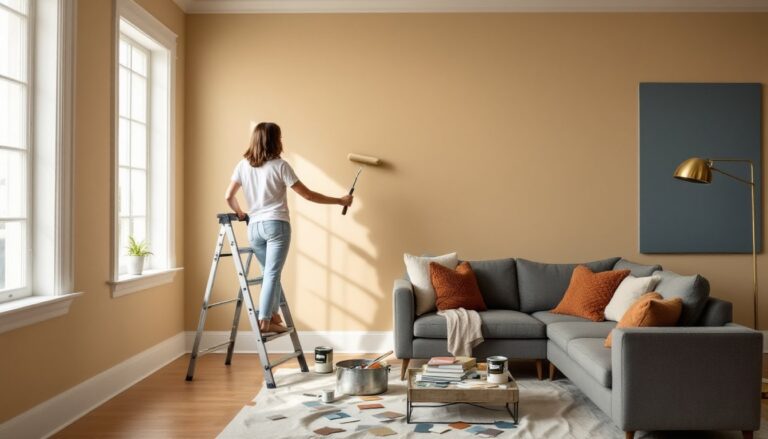
Prep is non-negotiable. Clean brick thoroughly with trisodium phosphate (TSP) or a degreaser, rinse, and let dry completely. Prime with a bonding primer or masonry primer to ensure paint adhesion, skipping this step leads to peeling within months. For previously painted surfaces, sand lightly with 120-grit sandpaper to create tooth.
Apply two coats minimum with a 3/4-inch nap roller for brick texture, cutting in edges and mortar lines with a 2-inch angled brush. Allow full cure time (typically 7–14 days) before lighting fires. If painting a gas or electric unit, consult the manufacturer’s guidelines, some recommend leaving certain components unpainted to avoid voiding warranties or creating safety hazards.
Modern Minimalist Living Rooms with Black Fireplaces
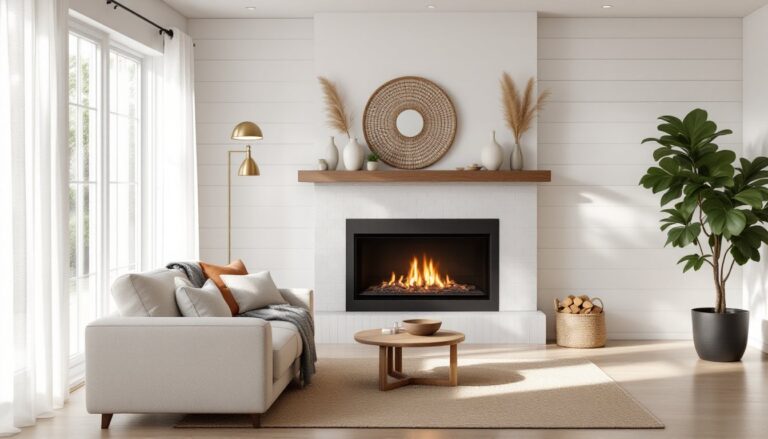
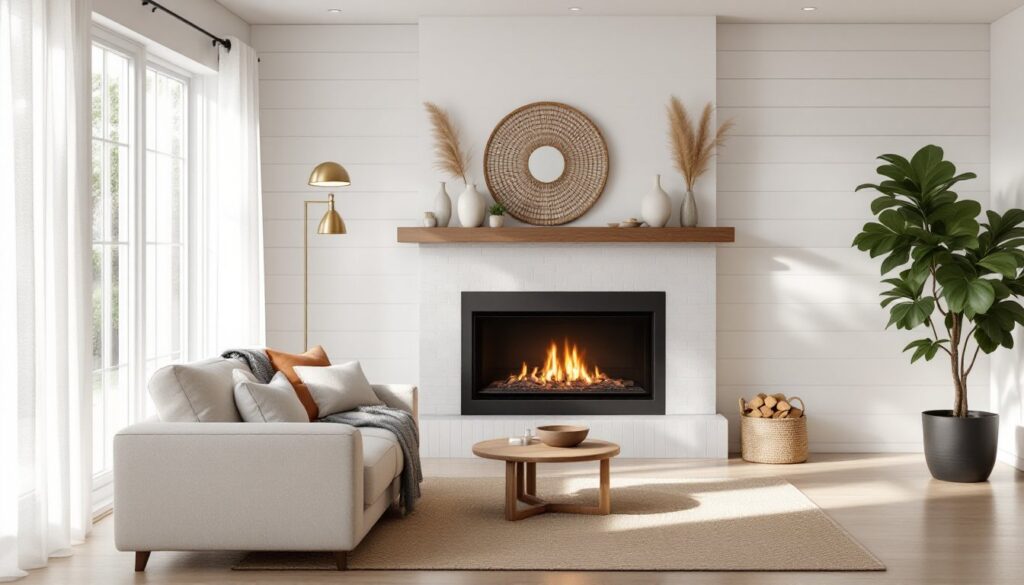
In minimalist interiors, a black fireplace functions as sculptural punctuation. Pair it with white shiplap or smooth drywall, streamlined furniture, and a monochrome palette for maximum contrast. Linear gas inserts with narrow black surrounds and no mantel emphasize clean geometry.
Keep the hearth material simple, honed black granite, concrete, or large-format porcelain tile in matte black or charcoal. Avoid busy patterns or mixed textures that compete for attention. If the fireplace is off-center or asymmetrical, balance it with a single large-scale artwork or a floor-to-ceiling window on the opposite wall.
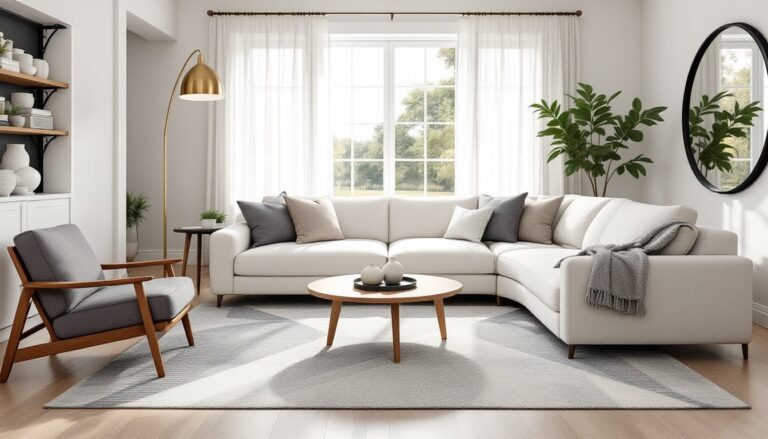
Furnishings should be low-profile with neutral upholstery. Think linen sofas in oatmeal or greige, walnut or oak coffee tables with minimal hardware, and geometric metal accents in brushed nickel or matte black. Layering textures, wool throws, leather cushions, jute rugs, adds warmth without clutter.
Lighting plays a key role. Recessed LED downlights or a single statement pendant keep the ceiling plane uninterrupted. Avoid heavy drapes: opt for roller shades or sheer panels that let in daylight. In spaces with limited natural light, incorporate modern living room design principles like reflective surfaces and strategic mirror placement to amplify brightness.
Traditional and Rustic Black Fireplace Designs
Black fireplaces work just as well in traditional and rustic settings, especially when combined with reclaimed wood, vintage accessories, and layered textiles. A painted brick surround in matte black anchors a farmhouse-style room, while a chunky rough-hewn wood mantel in walnut or oak adds warmth and texture.
For a classic look, frame the fireplace with black cast iron inserts or reproduce the appearance of an old coal-burning hearth. Pair it with whitewashed shiplap, beadboard paneling, or tongue-and-groove pine on adjacent walls. The high contrast between black and white wood creates the cozy, layered aesthetic typical of modern farmhouse interiors featured on Domino.
Rustic designs benefit from asymmetry and handcrafted details. Stack firewood in an alcove beside the hearth, hang a vintage mirror or wrought-iron candle sconces on the chimney breast, and style the mantel with pottery, dried botanicals, or framed family photos. Avoid over-styling, three to five curated objects beat a cluttered lineup.
In true traditional interiors, black works with richer palettes. Combine it with deep greens, burgundy, or navy blue in upholstery and window treatments. Oriental rugs, leather club chairs, and brass or bronze hardware complete the look. If the fireplace is the room’s only black element, tie it in with black-framed artwork, iron curtain rods, or a black-painted interior door for cohesion.
Styling Your Black Fireplace Mantel and Surround
A well-styled mantel balances symmetry and visual weight without looking staged. Start with a large anchor piece, an oversized mirror, abstract painting, or round woven basket, centered above the mantel. Flank it with matching candlesticks, vases, or small sculptures to create rhythm.
Layer heights using books, pedestals, or stacked boxes. Place taller items toward the back and shorter pieces in front to add depth. Incorporate organic elements like greenery (real or faux), driftwood, or ceramic vessels to soften the black surround’s hard edges. Seasonal swaps keep the display fresh without a full redesign.
Avoid pushing everything to the back edge. Pull some objects forward to create dimension and prevent a flat, lineup effect. Odd-numbered groupings (three or five items) tend to feel more dynamic than pairs, though symmetrical arrangements suit formal spaces.
For the hearth and surround, less is usually more. A simple fireplace screen in black steel or iron maintains the monochrome look. If the firebox isn’t in use, fill it with a stack of birch logs, a large lantern, or a sculptural fire-resistant insert. In working fireplaces, keep the hearth clear except for essential tools, poker, brush, and log holder in matching black finishes.
When working with colors for living rooms, consider how accent hues on the mantel tie into the broader palette. A pop of brass, terracotta, or sage green can bridge the black fireplace to surrounding furnishings.
Color Schemes That Complement Black Fireplaces
Black fireplaces anchor a range of color schemes, from stark monochrome to warm earth tones. The most foolproof pairing is black and white: crisp white walls, black accents, and natural wood or metal in between. This high-contrast approach works in both modern living rooms and traditional spaces, depending on furniture style and accessories.
Warm neutrals, beige, tan, cream, and soft gray, soften the drama of a black fireplace and create a cozy, inviting feel. Layer in camel leather, linen upholstery, and jute or sisal rugs to build texture. Wood tones in honey oak or walnut add warmth without competing visually.
For bolder looks, try jewel tones like emerald green, sapphire blue, or deep plum. These rich hues complement black’s intensity and suit velvet or leather upholstery. Balance them with neutral walls and natural fiber textiles to avoid overwhelming the room.
Earth tones, terracotta, ochre, olive, and rust, pair beautifully with black in rustic or bohemian interiors. These colors echo natural materials and work well with exposed brick, reclaimed wood, and woven accents. Keep walls neutral (warm white or soft greige) to let the fireplace and accent colors shine.
In smaller or low-light rooms, stick to lighter palettes with black as the sole dark anchor. Pale gray, off-white, and soft blush keep the space airy while the fireplace provides contrast. Add metallic accents in brass, copper, or brushed gold to reflect light and tie the scheme together.
For those seeking living room inspiration or working with apartment living rooms, a black fireplace offers flexibility, it adapts to seasonal decor changes and evolving style preferences without requiring a repaint.
Conclusion
A black fireplace transforms a living room into a bold, cohesive space with minimal investment. Whether painting existing brick, installing a new surround, or styling what’s already there, the key lies in balancing contrast, texture, and intentional color choices. With the right prep, quality materials, and thoughtful design, a black fireplace becomes the anchor that ties the entire room together.