Table of Contents
ToggleApartment living rooms present a unique challenge: creating a space that feels open, functional, and personal without the luxury of square footage. Whether dealing with an awkward layout, low ceilings, or a room that doubles as a home office, renters and owners alike need strategies that work within limitations. This isn’t about throwing down a trendy rug and calling it a day, it’s about understanding how furniture placement, color, storage, and lighting interact to make a small room feel intentional rather than cramped. The following strategies balance aesthetics with real-world practicality for apartment dwellers in 2026.
Key Takeaways
- Apartment living room design starts with accurate measurements and understanding your layout type—galley, square, or L-shaped—to optimize furniture placement and traffic flow.
- Choose furniture with exposed legs, armless pieces, and apartment-scale dimensions to create sight lines and avoid overwhelming a small space.
- Light color schemes with subtle warmth and monochromatic wall treatments make apartments feel larger without sacrificing personality.
- Multi-functional furniture like storage ottomans, nesting tables, and lift-top coffee tables maximize function while minimizing clutter in limited square footage.
- Layered lighting with floor lamps, wall sconces, and task lighting combined with strategic mirror placement transforms how spacious an apartment living room feels.
- Add personality through removable elements—textiles, art, plants, and peel-and-stick wallpaper—to personalize your rental without compromising your security deposit.
Understanding Your Apartment Living Room Layout
Before buying a single piece of furniture, measure the room. Use a tape measure to record wall lengths, ceiling height, door swing clearances, and window placement. Note any architectural quirks: radiators that eat floor space, support columns, or offset entryways.
Most apartment living rooms fall into three layout types: galley (long and narrow), square (equal dimensions), or L-shaped (connected to a dining nook or kitchen). Each demands a different furniture arrangement. Galley rooms benefit from a sofa parallel to the longest wall with a narrow console table behind it. Square rooms allow for symmetrical layouts, two chairs flanking a sofa, for example. L-shaped spaces often need area rugs to visually separate zones.
Traffic flow is critical. Leave at least 24 inches of walkway between furniture pieces and 36 inches in high-traffic paths. If the layout forces people to sidestep around the coffee table to reach the kitchen, reconsider the arrangement. Mapping out furniture placement on graph paper (or using a free tool like Floorplanner) prevents costly mistakes and returns.
Identify fixed elements: windows you can’t move, outlets that dictate where lamps go, and HVAC vents that shouldn’t be blocked. Electrical code (NEC Article 210.52) requires outlets every 12 feet in living spaces, but older apartments may not comply. If extension cords become permanent fixtures, that’s a layout red flag.
Choosing the Right Furniture for Small Living Rooms
Furniture scale makes or break a small room. A 78-inch sectional might look perfect in a showroom but overwhelm a 12×14-foot apartment living room. Measure doorways and hallways before purchasing, a 36-inch-wide sofa won’t fit through a 32-inch door, no matter how much pivoting occurs.
Look for pieces with exposed legs rather than skirted bases. Sofas and chairs that sit on tapered legs create sight lines to the floor, which tricks the eye into perceiving more space. A sofa with a 6- to 8-inch clearance underneath also makes vacuuming easier.
Armless chairs and loveseats save 6 to 10 inches per side compared to traditional club chairs. If the room is tight, swap a bulky recliner for a streamlined accent chair with a separate ottoman. Ottomans do double duty as footrests and extra seating when guests arrive.
Consider apartment-specific furniture lines designed for tight spaces. Many retailers now offer apartment-scale sofas (72 to 76 inches long instead of the standard 84) and narrower side tables (14 to 16 inches deep instead of 18 to 24). These aren’t compromises, they’re purpose-built for the space.
Multi-Functional Pieces That Save Space
Storage ottomans replace traditional coffee tables while hiding blankets, remotes, and magazines. Look for models with a lift-off lid rather than a hinged top for easier access.
Sofa beds and futons have improved dramatically. Modern mechanisms use memory foam mattresses and sturdy frames that don’t sag after six months. If hosting overnight guests is a priority, invest here, cheap futons are miserable for both sitting and sleeping.
Nesting tables (a set of two or three that stack together) provide surface area when needed and tuck away when not. They’re particularly useful in open plan layouts where flexibility matters.
Console tables with storage behind the sofa create a visual boundary in studio apartments while offering drawer or shelf space. Some models include outlets and USB ports built into the design, handy for charging devices without visible cords.
Lift-top coffee tables reveal hidden compartments and raise to desk height for working from the couch. They’re not just gimmicks: the mechanism supports laptops and meals at ergonomic height.
Color Schemes That Make Apartments Feel Larger
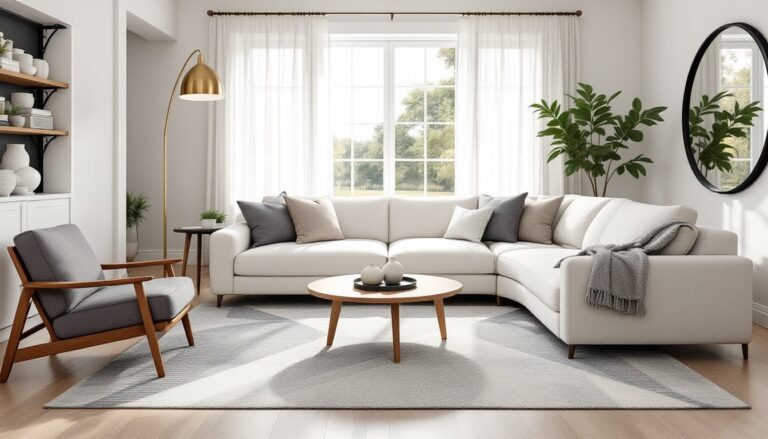
Light colors reflect more light and recede visually, making walls feel farther away. Whites, pale grays, and soft beiges remain the safest bets for small living rooms. But “light” doesn’t mean sterile, warm whites with creamy undertones (like Benjamin Moore White Dove or Sherwin-Williams Alabaster) add subtle warmth without closing in the space.
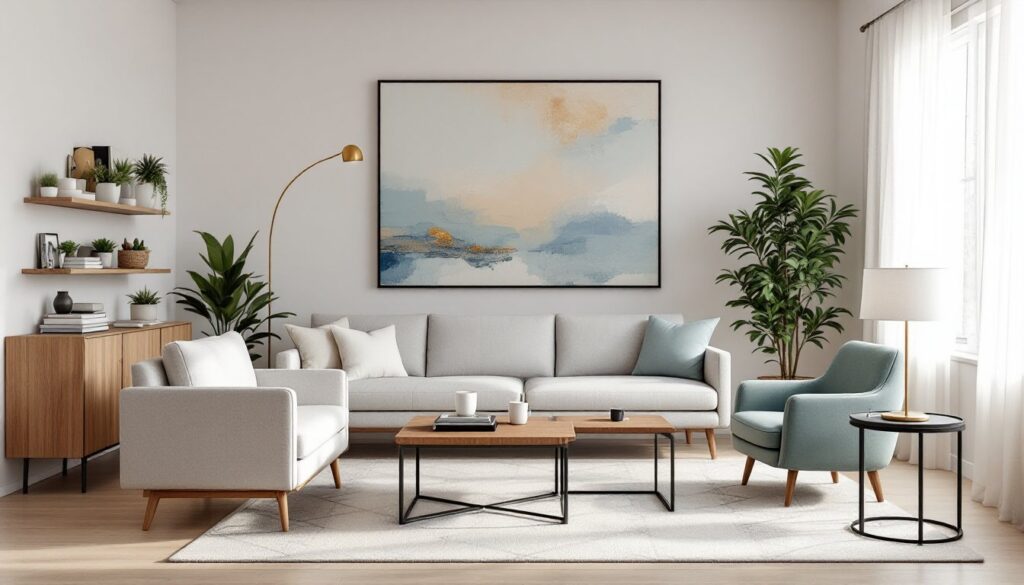
If white feels too stark, try light greige (a gray-beige hybrid) or soft blue-grays. These tones read as neutral but carry more personality. Avoid stark cool grays in north-facing rooms, they’ll feel cold and unwelcoming without adequate natural light.
Paint the trim and walls the same color to eliminate visual breaks. When the eye doesn’t stop at contrasting trim, the room feels more expansive. This monochromatic approach works especially well in modern living rooms where clean lines matter.
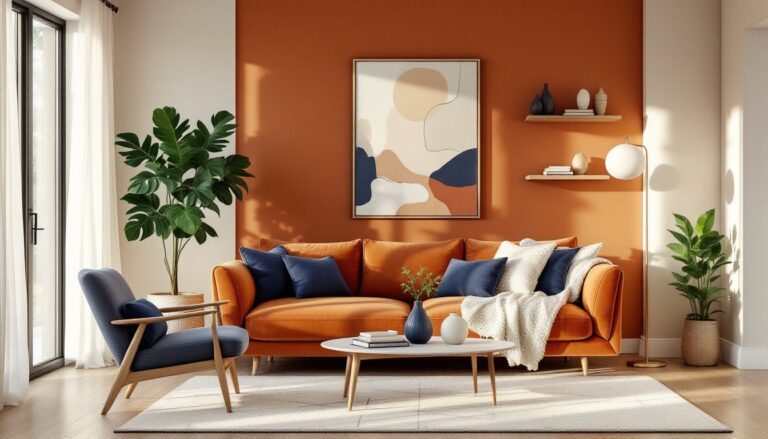
One accent wall can add depth without overwhelming. Choose the wall farthest from the entry or the one behind the sofa. Darker accent walls (like navy, charcoal, or forest green) work when the other three walls stay light. Design experts at Homedit frequently recommend this technique for adding character without shrinking the perceived space.
For renters restricted by lease agreements, removable peel-and-stick wallpaper offers pattern and color without permanent commitment. Just ensure it’s a reputable brand, cheap versions leave residue or peel prematurely.
Color continuity between rooms helps apartments feel cohesive. If the kitchen is visible from the living room, keeping colors consistent between spaces creates flow.
Smart Storage Solutions for Clutter-Free Living
Visible clutter makes any room feel smaller. Apartment living demands intentional storage that doesn’t eat up floor space.
Floating shelves use vertical wall space without the bulk of bookcases. Install them 8 to 12 inches deep for books and decor. Use a stud finder (or toggle bolts rated for 50+ pounds in drywall) to ensure secure mounting. Renters can patch small holes with spackling compound when moving out.
Wall-mounted cabinets above sofas or beside windows provide closed storage for items that don’t need display. Shallow cabinets (8 to 10 inches deep) work for media equipment, board games, or office supplies.
Vertical storage towers in corners maximize dead space. Look for narrow units (12 to 16 inches wide) with multiple shelves. These work well for plants, books, or baskets that corral smaller items.
Under-sofa storage bins (low-profile plastic or fabric containers) slide beneath furniture with elevated legs. They’re ideal for seasonal items, extra linens, or anything needed infrequently.
Behind-the-door organizers aren’t just for closets. Over-the-door pocket organizers hold remotes, chargers, mail, and small tools. Clear pockets make finding items easier.
Avoid freestanding bookcases that jut into the room. If shelving is necessary, choose units that mount flush to the wall or fit into alcoves. According to Apartment Therapy, maximizing vertical storage while keeping floors clear is one of the most effective ways to maintain openness in tight quarters.
Baskets and bins should be uniform in style. Mismatched storage containers create visual chaos. Woven baskets, fabric bins, or matching plastic totes keep the look cohesive.
Lighting Strategies to Enhance Your Space
Apartments often lack adequate lighting, builder-grade fixtures and single overhead lights don’t cut it. Layered lighting (ambient, task, and accent) makes a room feel larger and more functional.
Ambient lighting provides overall illumination. If stuck with a single ceiling fixture, upgrade to a brighter LED bulb (800 to 1100 lumens for living rooms). Flush-mount or semi-flush fixtures work better in apartments with 8-foot ceilings than hanging pendants.
Floor lamps add height and draw the eye upward, making ceilings feel taller. Arc floor lamps curve over seating areas, providing light without a table footprint. Torchiere lamps bounce light off the ceiling for soft, indirect ambient light.
Table lamps on side tables or console tables create pools of light that make the room feel cozier without adding shadows. Use 60-watt equivalent LEDs (about 800 lumens) for reading areas.
Wall sconces save table space while adding style. Battery-operated or plug-in sconces work for renters who can’t hardwire. Mount them 60 to 66 inches from the floor (roughly eye level when standing) for optimal effect.
Dimmer switches (even plug-in models for lamps) allow flexibility. Bright light for cleaning, softer light for movie nights. Smart bulbs offer the same control via phone apps without rewiring.
Mirrors amplify light. Place a large mirror opposite a window to reflect natural light deeper into the room. Even a stylish living room benefits from strategic mirror placement.
Avoid overhead lighting alone. Single-source lighting creates harsh shadows and a flat appearance. Three light sources minimum (ceiling fixture, floor lamp, table lamp) provides balance.
Adding Personality Without Overwhelming the Room
Apartments often come with landlord beige walls and zero character. Adding personality without cluttering or violating lease terms requires restraint and strategy.
Art and photography personalize walls without permanent changes. Use Command Picture Hanging Strips (rated for the frame weight) to avoid nail holes. Group smaller frames in a gallery wall arrangement rather than scattering single pieces, cohesive groupings feel intentional.
Textiles add warmth and color: throw pillows, blankets, curtains, and area rugs. Layer textures (linen, velvet, wool) for depth. Swap these seasonally for a refreshed look without buying new furniture. House Beautiful often features textile-heavy makeovers that demonstrate how fabric choices transform a space.
Plants bring life and improve air quality. If floor space is tight, use hanging planters, wall-mounted pots, or tall narrow stands. Snake plants, pothos, and ZZ plants tolerate low light and neglect, ideal for renters.
Statement pieces anchor the room: a bold rug, an accent chair in a saturated color, or a unique coffee table. Limit to one or two focal points. More than that creates competition for attention.
Avoid the “catalog look” where every item matches. Mix wood tones (walnut with oak), combine metal finishes (brass and black), and blend modern pieces with vintage finds. Perfectly matched sets feel sterile.
If stuck with ugly rental features (dated light fixtures, builder-grade ceiling fans), draw attention elsewhere. A large piece of art, a vibrant rug, or bold curtains shift focus from what can’t be changed.
For renters seeking flexibility, removable wallpaper, peel-and-stick tiles, and temporary backsplashes offer personality without forfeiting security deposits. Just test a small section first to ensure clean removal.