Table of Contents
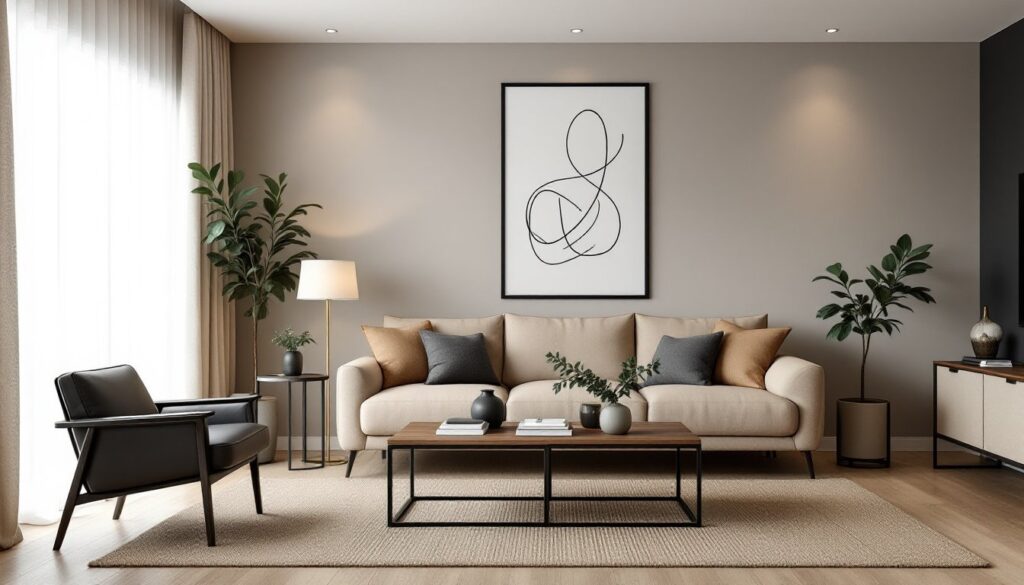
ToggleA black and beige living room walks the line between dramatic and approachable. It’s not a look that screams for attention, but it quietly commands respect when done right. This color pairing offers timeless sophistication without the cold, sterile feel of pure monochromes or the risk of looking dated in five years. Whether working with a 10×12 rental or a sprawling open-concept great room, this palette adapts to nearly any layout, architectural style, and budget. Below are practical strategies, material choices, and layout ideas to nail the black-and-beige look without turning your space into a showroom nobody wants to sit in.
Key Takeaways
- Black and beige living room ideas offer timeless sophistication by pairing visual drama with approachable elegance, creating a palette that won’t feel dated in five years.
- Apply the 60-30-10 design rule: 60% beige for walls and large furniture, 30% black for accents and window treatments, and 10% metallics or contrast colors to achieve proper balance.
- Layer multiple textures—linen, jute, wood, and stone—to prevent a black and beige living room from feeling flat, creating depth and tactile interest that invites people to sit down.
- Maximize natural and artificial lighting with warm-white bulbs (2700-3000K), dimmers, and varied light types to ensure beige doesn’t look gray and black doesn’t feel oppressive.
- DIY updates like spray-painting accessories, staining furniture, and swapping throw pillow covers allow you to achieve this sophisticated look on a budget without sacrificing style.
Why Black and Beige Is the Perfect Living Room Color Palette
Black and beige work because they’re opposites that don’t fight. Black anchors a space with visual weight, while beige softens edges and reflects light. The contrast keeps the room from feeling flat, but the restraint prevents it from feeling chaotic.
This palette also hides a practical advantage: it’s forgiving. Beige upholstery shows fewer stains than white, and black trim conceals scuffs better than lighter alternatives. For families with kids or pets, that’s not decorating theory, it’s survival.
From a design standpoint, the combination suits multiple styles. Modern spaces lean into matte black hardware and natural beige linen. Traditional rooms favor oil-rubbed bronze fixtures and warm taupe walls. Mid-century enthusiasts use ebonized wood legs and oatmeal-toned cushions. The bones of the palette stay consistent: the details shift to match the era.
Unlike trendy accent colors that cycle every few seasons, black and beige hold value. Furniture in this range has strong resale potential, and paint choices won’t look out of step in a decade. That longevity matters if you’re planning to sell or simply don’t want to repaint every time design trends shift.
Essential Design Principles for Black and Beige Living Rooms
Success with this palette comes down to controlling proportions, layering tones, and managing light. Skip those fundamentals, and you’ll either end up with a cave or a beige box with black accents that don’t commit.
Balancing Dark and Light Tones
The 60-30-10 rule works well here: 60% beige (walls, large furniture), 30% black (accent furniture, window treatments, rugs), and 10% contrast or metallic (brass, chrome, or a neutral like cream). Flip those ratios, and the room can feel heavy or washed out.
Natural light dictates how aggressive you can be with black. North-facing rooms with limited daylight need more beige and reflective surfaces. South-facing spaces can handle black feature walls or dark upholstery without feeling oppressive. Test paint samples on at least two walls and observe them at different times of day before committing.
Artificial lighting matters just as much. Layer three types: ambient (recessed cans or a central fixture), task (reading lamps), and accent (picture lights or LED strips behind media consoles). Warm white bulbs (2700-3000K) keep beige from looking gray, while cooler tones can make black feel stark. Dimmer switches aren’t optional, they let you adjust the mood without repainting.
Avoid the trap of using only one shade of beige or black. Beige ranges from cool greige to warm sand: black includes charcoal, onyx, and soft black with brown undertones. Mixing these within your neutral living rooms approach adds depth and prevents the space from reading flat. A beige sofa, taupe throw pillows, and sand-colored drapery all play in the same family but create visual interest through variation.
Furniture and Layout Ideas for a Black and Beige Living Room
Start with the largest piece: the sofa. A beige sectional in linen or performance fabric handles daily use and anchors the palette. Performance fabrics like Crypton or Sunbrella resist spills without sacrificing texture, worth the upcharge if you have kids or pets.
Pair that with a black coffee table in wood, metal, or stone. A matte black steel frame with a solid walnut top hits the sweet spot between industrial and warm. Avoid glass tops in high-traffic homes, they show every fingerprint.
For seating variety, add one or two accent chairs in black leather or velvet. Leather ages well and cleans easily: velvet adds softness but requires more maintenance. If the budget’s tight, a single statement chair works better than two cheap ones.
Side tables and consoles offer another chance to bring in black. A black-framed media console with beige cane or rattan drawer fronts bridges the two tones and introduces texture. Open shelving in black metal lets you display books and accessories without visual clutter, especially when items in diverse living room decor styles provide subtle color pops.
Layout considerations depend on room shape. In narrow spaces (under 12 feet wide), float the sofa away from the wall to create a walkway behind it, counterintuitive, but it makes the room feel bigger. In square rooms, arrange seating in an L or U shape to define the conversation zone without blocking sightlines.
Leave at least 18 inches between the coffee table and sofa for leg room, and 30-36 inches of clearance around furniture for foot traffic. If the room doubles as a hallway to other spaces, keep the main path at least 42 inches wide.
Texture and Materials That Elevate the Black and Beige Palette
A black-and-beige room lives or dies on texture. Without it, you’ve got a flat, corporate waiting room. With it, you get depth and tactile interest that makes people want to sit down.
Textiles are the easiest fix. Layer a chunky knit throw in cream or oatmeal over a smooth beige sofa. Add linen curtains in a natural beige with a subtle slub weave, they diffuse light without blocking it entirely. A jute or sisal area rug introduces organic texture underfoot and works in both modern and traditional spaces. Rug size matters: in most living rooms, go for at least 8×10 feet so front furniture legs sit on the rug, anchoring the seating area.
Wood tones bring warmth without adding color. Light oak or ash complements beige, while walnut or ebonized finishes lean into the black side. Mixing wood finishes is fine as long as they share an undertone, cool or warm, not both.
Metal accents in brass, bronze, or matte black hardware unify the look. Brass pairs beautifully with warm beige and softens stark black. Matte black is more contemporary and reinforces the monochrome theme. Chrome works but feels colder, use it sparingly unless you’re aiming for an industrial edge.
Stone and concrete add heft. A black marble coffee table or concrete side table introduces pattern through natural veining without relying on color. Both materials are durable and low-maintenance, though marble will etch if you spill acidic liquids, so seal it properly.
Consider incorporating design trends from modern paint colors for living rooms that use similar tonal strategies. Designers on Home Bunch often layer multiple textures within a restricted palette to create visual richness without relying on bold colors.
Accent Colors and Accessories to Complete Your Design
Black and beige is the foundation, but a few carefully chosen accents prevent the space from feeling sterile. Stick to one or two accent colors and repeat them at least three times around the room for cohesion.
Metallics (brass, gold, copper) add warmth and reflect light. Use them in picture frames, lamp bases, or cabinet hardware. Greenery, real or high-quality faux, brings life without clashing. A fiddle-leaf fig in a matte black pot or a row of succulents in beige ceramic planters works.
Warm neutrals like terracotta, rust, or camel deepen the beige side without breaking the scheme. A rust-colored lumbar pillow or camel leather ottoman introduces just enough variation. Cool accents like charcoal gray or slate blue can work, but use them sparingly, they shift the palette toward cooler territory.
For wall art, black-and-white photography or line drawings are safe bets. Oversized pieces (at least 36 inches wide) make a statement: smaller prints work in gallery walls. Hang art at 57-60 inches to center it at eye level, and leave 3-6 inches between frames in a grouping.
Throw pillows are the easiest way to test accent colors before committing. Mix sizes: two 22-inch square pillows, two 18-inch, and a 12×20-inch lumbar for variety. Use a mix of solid and patterned covers, keeping at least one element (black or beige) in every pattern to tie it back to the main palette.
If you’re drawing living room inspiration from multiple sources, limit yourself to one accent color per room to avoid visual clutter. Accessories on Homedit often demonstrate how restraint with accent colors maintains sophistication.
Budget-Friendly DIY Tips for Achieving the Black and Beige Look
You don’t need a designer budget to pull this off. Start with paint, it’s the highest-impact, lowest-cost change you can make. A gallon of quality interior paint covers about 350-400 square feet and runs $30-60. One accent wall in matte black (try Sherwin-Williams Tricorn Black or Behr Black) anchors the room for under $75 in materials.
DIY slipcovers in beige linen or canvas can transform an outdated sofa. Fabric runs $10-20 per yard: you’ll need roughly 12-15 yards for a standard three-seat sofa, bringing the total to $120-300 depending on the material. It’s a weekend project that requires basic sewing skills and a heavy-duty machine.
Thrift and repurpose furniture. A dated wood coffee table sanded and refinished in ebony stain looks custom for the cost of sandpaper, stain ($15), and polyurethane ($20). Swap out hardware on existing cabinets or side tables with matte black pulls ($2-5 each) for an instant update.
Spray paint is your friend for smaller items. Matte black spray paint (Rust-Oleum or Krylon) can unify mismatched picture frames, lamp bases, or planters. Work outdoors or in a well-ventilated garage, apply light coats, and allow 24 hours to cure.
For stylish living rooms on a budget, focus spending on high-touch items like the sofa and rug, then DIY the accessories. Swap out throw pillows seasonally to refresh the look without redecorating, pillow covers run $10-25 each and take seconds to change.
Shop discount retailers for beige textiles and black accents. HomeGoods, Target, and IKEA all carry neutral basics at accessible prices. A beige linen curtain panel from IKEA’s Aina line costs under $20: hem it to your window height for a tailored look. Mixing high and low sources keeps costs down without sacrificing style.
For wall art, print high-resolution black-and-white images (your own photos or royalty-free stock) at a local print shop. Frames from thrift stores spray-painted black create a cohesive gallery wall for a fraction of retail prices. Inspiration from black rooms decor shows how impactful bold monochrome art can be in anchoring a space.