Table of Contents
ToggleA charcoal sofa doesn’t whisper, it anchors. It’s the kind of piece that grounds a living room without demanding constant reinvention around it. Unlike lighter neutrals that show every spill or darker blacks that can swallow light, charcoal occupies a Goldilocks zone: forgiving, versatile, and surprisingly adaptable to both warm and cool palettes. Whether someone’s working with a compact apartment or a sprawling open-concept space, understanding how to build around this foundational piece turns a functional room into a cohesive, livable space that doesn’t feel like a showroom.
Key Takeaways
- A charcoal sofa serves as a versatile foundation that adapts to warm and cool color palettes while maintaining durability and hiding everyday wear better than lighter fabrics.
- Pairing your charcoal sofa living room with warm neutrals like camel and taupe or bold jewel tones like emerald creates depth without overshadowing the anchor piece.
- Textural variety—mixing velvet, linen, performance fabrics, and natural fibers like jute and wool—prevents a charcoal sofa from appearing flat and one-dimensional.
- Proper pillow layering combines two 22–24-inch back pillows, two lumbar pillows for support, and accent pillows in contrasting colors or patterns to add visual interest without looking catalog-staged.
- Rug placement and sizing are critical: extend the rug 6–12 inches beyond the sofa’s front legs and choose materials and colors that complement your overall palette and the charcoal foundation.
- Accessories and wall art should be curated deliberately—select pieces that echo colors from your pillows, throws, or accent elements to create cohesive rhythm throughout the room.
Why Charcoal Sofas Are the Perfect Foundation for Your Living Room
Charcoal reads neutral in most lighting conditions, which makes it a reliable anchor for layering color and texture. Unlike pure black, which can create harsh contrast in bright spaces, charcoal softens edges while still providing definition. It doesn’t compete with wall color, wood tones, or accent pieces, it recedes just enough to let other design choices shine.
From a practical standpoint, charcoal upholstery hides wear better than lighter fabrics. Pet hair, minor scuffs, and everyday dust don’t broadcast themselves the way they do on cream or beige. For households with kids, pets, or high traffic, that durability matters. Fabrics like performance velvet, tight-weave linen, or polyester blends hold up well and resist pilling when properly maintained.
Charcoal also bridges style gaps. It works in industrial lofts with exposed brick, Scandinavian-inspired spaces with light wood floors, and traditional rooms with crown molding. The key is what’s layered around it, textures, accent colors, and accessories define the style, while the sofa itself stays consistent. That flexibility means homeowners aren’t locked into a single aesthetic as trends shift or personal tastes evolve.
Color Schemes That Complement a Charcoal Sofa
Warm Neutrals and Earth Tones
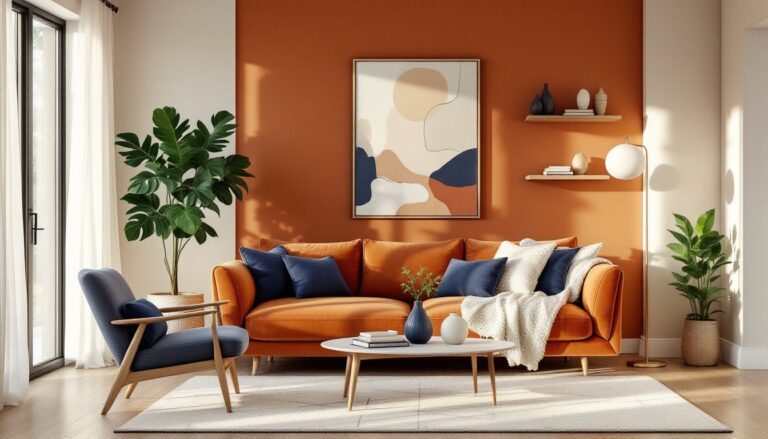
Pairing charcoal with warm neutrals, think camel, terracotta, rust, or soft taupe, creates a cozy, grounded palette without veering into matchy-matchy territory. A camel-colored throw or rust-hued pillows introduce warmth that balances charcoal’s cooler undertones. For neutral living rooms seeking depth, layering in natural materials like jute rugs, oak side tables, or woven baskets reinforces an earthy, organic feel.
Wood tones matter here. Lighter woods (ash, birch, light oak) provide contrast and keep the space from feeling too heavy, while walnut or espresso finishes echo the sofa’s depth. Avoid matching the wood tone exactly to the upholstery, subtle variation adds dimension. Painting trim or cabinetry in a warm white (with a hint of cream or greige) prevents the room from reading too stark.
Earth tones also scale well across accessories. Olive green, clay, and burnt orange work as accent pillow colors, while larger pieces like curtains or area rugs can anchor the palette. Designers at Homedit often recommend pulling one warm accent color through multiple elements, pillows, art, and a throw, to create rhythm without clutter.
Bold Accent Colors for Drama
For those willing to commit, bold accent colors transform a charcoal sofa from safe to statement. Jewel tones, emerald, sapphire, amethyst, or deep mustard, pop against charcoal without clashing. A pair of emerald velvet pillows or a cobalt throw adds visual weight without overwhelming the space. These saturated hues work best when used sparingly: one or two accent pieces per seating area, balanced with neutrals.
Blush pink and soft coral offer a softer contrast. They warm up charcoal’s cool base and introduce a contemporary, slightly unexpected vibe. This combo shows up often in modern living rooms where clean lines and minimal patterns dominate. A blush rug under a charcoal sofa, paired with brass or matte gold hardware, bridges industrial and glam aesthetics.
For a high-contrast look, crisp white or ivory accents sharpen the space. White trim, white curtains, or a white coffee table create clear visual breaks and prevent the room from feeling cave-like, especially in smaller spaces with limited natural light. Layering in black accents (picture frames, lamp bases, hardware) ties the scheme together and adds edge. According to MyDomaine, this monochrome approach works particularly well in open-concept homes where the living room needs to feel distinct without jarring transitions.
Choosing the Right Textures and Materials
Charcoal upholstery reads flat without textural contrast. Mixing materials prevents the space from feeling one-note. Start with the sofa fabric itself: velvet catches light and shifts tone depending on the angle, adding subtle movement. Linen or linen-blend fabrics introduce a relaxed, lived-in texture that softens sharper lines. Performance fabrics (often polyester or acrylic blends) mimic natural fibers but resist stains, ideal for high-use spaces.
Layering natural fibers, jute, sisal, wool, cotton, against smooth surfaces (glass, metal, lacquered wood) creates tactile variety. A chunky knit throw draped over one arm, a woven jute rug underfoot, and linen curtains at the windows build depth without adding visual clutter. Avoid synthetic-only schemes: they tend to look flat under most lighting.
Metal finishes also play a role. Brushed brass or matte gold warm up charcoal, while brushed nickel or chrome keep things cooler and more industrial. Mixing finishes is fine, just stick to two at most (e.g., brass and black) to maintain cohesion. When selecting living room seating to pair with a charcoal sofa, leather accent chairs or a velvet ottoman introduce material contrast without competing for visual dominance.
Wood finishes should vary in sheen. Matte or oiled wood keeps the mood casual, while high-gloss or lacquered pieces add formality. A live-edge coffee table brings organic texture: a sleek walnut credenza leans modern. The charcoal sofa adapts to either direction.
Styling Tips: Pillows, Throws, and Accessories
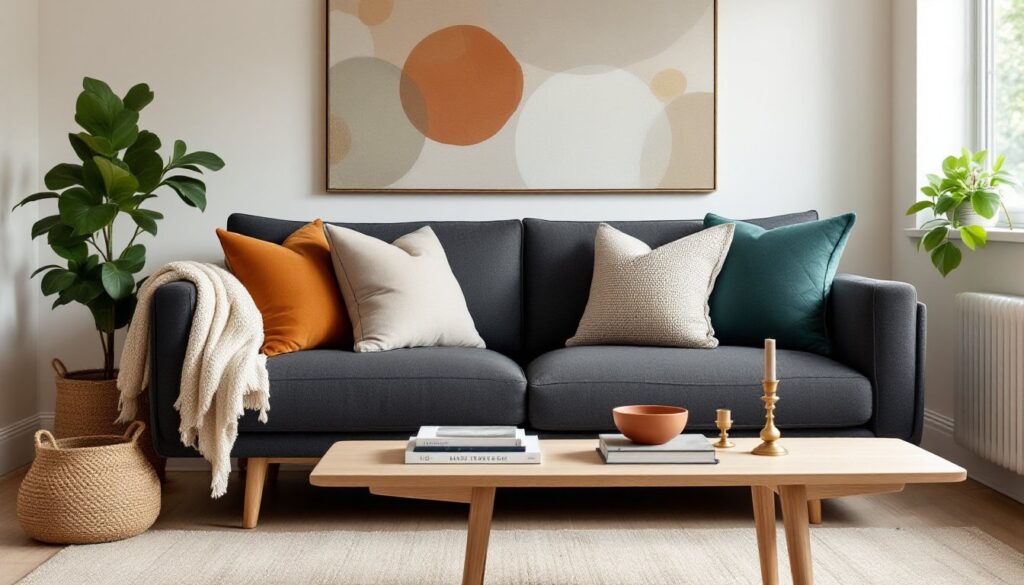
Pillow arrangement isn’t just aesthetic, it’s functional. Start with two 22-inch or 24-inch square pillows at the back corners for structure. Layer in two lumbar pillows (12×20 inches or 14×24 inches) for lower back support and visual variety. If the sofa seats three or more, add one or two smaller accent pillows (18-inch squares) in a contrasting color or pattern.
Fabric choice matters. Mixing a solid velvet, a textured linen, and a patterned pillow (geometric, stripe, or subtle print) prevents monotony. Avoid matching sets, they look catalog-staged. Instead, pull colors from existing elements: wall art, a rug, or curtains. For instance, if there’s a rust-colored abstract print on the wall, echo that in one pillow and balance it with a neutral linen and a charcoal velvet.
Throws add warmth and serve a purpose. A chunky knit throw in cream or oatmeal draped casually over one arm invites use. Faux fur or sherpa throws work in cooler months: lightweight cotton or linen works year-round. Fold or drape, don’t tuck it in neatly. The goal is approachable, not pristine.
Accessories should edit themselves. A coffee table doesn’t need six objects, two or three suffice. A stack of hardcover books, a small sculptural object (ceramic bowl, brass candlestick), and a low-profile plant or tray create balance. Avoid tchotchkes that collect dust. Wall art should scale appropriately: a single large piece (at least two-thirds the sofa width) or a curated gallery wall with consistent framing. When exploring paint color options, consider how art and accessories will interact with both the wall and sofa tones.
Rug Selection and Placement Ideas
Rug size is non-negotiable: too small, and the furniture floats: too large, and the room feels cramped. For a charcoal sofa, the rug should extend at least 6 to 12 inches beyond the front legs on all sides. In most living rooms, that translates to an 8×10-foot or 9×12-foot rug. Measure the seating area first, if the coffee table and sofa are 7 feet apart, an 8×10 won’t cut it.
Material and pile affect both look and maintenance. Wool rugs are durable, naturally stain-resistant, and available in low- and high-pile options. A low-pile wool rug in a subtle pattern (geometric, stripe, or faded traditional) grounds the space without competing with the sofa. Jute or sisal rugs add texture and work well in casual, coastal, or Scandinavian-inspired rooms, but they’re rougher underfoot and harder to clean. Synthetic rugs (polypropylene, nylon) resist stains and fade less in sunlight, good for high-traffic areas or homes with pets.
Color and pattern depend on the rest of the palette. A cream or ivory rug lightens the space and creates contrast, especially if the flooring is dark. A warm taupe or greige rug complements earth-tone accents and bridges warm wood tones. For drama, a deep navy, hunter green, or charcoal-on-charcoal rug with subtle tonal pattern adds depth. Avoid pure white unless the household can commit to frequent cleaning.
Patterned rugs, think geometric, tribal, or vintage-inspired, introduce visual interest, but the scale matters. Large-scale patterns read modern: small, busy patterns can look dated or overwhelm a small room. If the sofa is the only major furniture piece, a bold rug can anchor the design. If the room includes patterned pillows, curtains, or art, keep the rug more subdued. When coordinating living room sets with a charcoal sofa, ensure the rug ties all seating together rather than isolating individual pieces.
Placement tweaks make a difference. Floating the rug entirely under the sofa (all legs on) works in larger rooms and formal layouts. Placing just the front legs on the rug is more common and works in most spaces, it visually anchors the sofa without requiring an oversized rug. For open-concept spaces, the rug defines the living zone, so it should be large enough to unify all seating but not extend into adjacent dining or kitchen areas.