Table of Contents
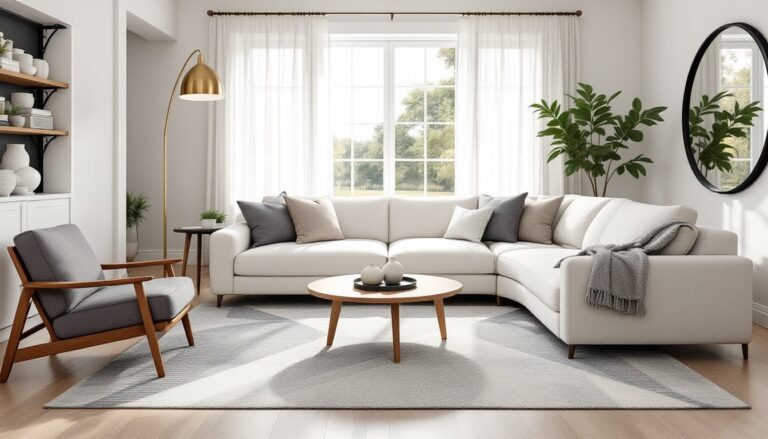
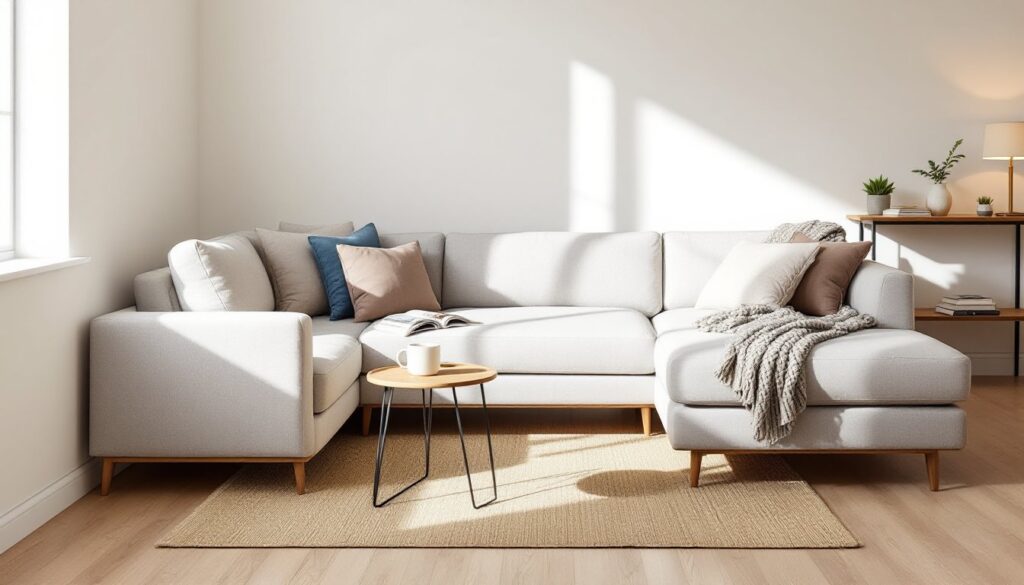
ToggleA corner sofa in a tight living room might sound counterintuitive, won’t a big L-shaped piece eat up precious square footage? Actually, the opposite is true. When placed strategically, a corner sofa anchors a small room, defines zones, and delivers more seating per square foot than a traditional sofa-and-chair combo. The trick is knowing which configurations work, how to measure accurately, and where not to compromise. This guide walks through the practical side of choosing, placing, and styling a corner sofa in a compact space, no fluff, just the decisions that matter.
Key Takeaways
- A corner sofa in a small living room maximizes seating capacity while freeing up floor space and creating natural zones without overwhelming the room.
- Choose compact corner sofas under 90 inches on the longest leg, with narrow arms, shallow-to-mid-depth seats, and modular or reversible designs for flexibility.
- Measure your entire space, doorways, and delivery paths with painter’s tape mock-ups before purchasing to avoid fitting problems and spatial disasters.
- Light upholstery, exposed legs, and properly sized rugs (5×7 or 6×9 feet) make corner sofas feel less bulky and visually expand small living rooms.
- Avoid blocking windows, ignoring traffic flow, and choosing sofas too deep for the room—map main pathways requiring 36 to 42 inches of clearance.
- Test the actual sofa model in-store for comfort and sitting angle, and invest in professional delivery and assembly to ensure proper bracket alignment and leveling.
Why Corner Sofas Are Perfect for Small Living Rooms
Corner sofas maximize seating capacity without sprawling across the floor. A standard three-seat sofa typically measures 84 inches wide and seats three people comfortably. An L-shaped corner sofa with a chaise or short return uses the same footprint, sometimes less, but seats four to five.
They also free up the center of the room. By hugging two walls, corner sofas leave the middle open for traffic flow and visual breathing room. This matters in small spaces where a coffee table, rug, and clear pathways compete for real estate.
Another advantage: they create natural zones. In open-concept layouts or studio apartments, a corner sofa can define the living area without blocking sightlines. Position the back of the sofa toward the kitchen or entryway, and it works like a soft partition.
Finally, corner sofas eliminate the need for extra chairs. In rooms where every piece counts, consolidating seating into one unit simplifies furniture shopping and reduces clutter. Many designs include flexible living room seating options like removable ottomans or reversible chaises, giving homeowners control over layout changes down the road.
How to Choose the Right Corner Sofa for Limited Space
Start with scale. Not all corner sofas are created equal. Some L-shaped sectionals stretch over 100 inches on the long side, fine for a spacious den, disastrous in a 12×14-foot room. Look for compact sectionals or apartment-scale corner sofas with overall dimensions under 90 inches on the longest leg.
Pay attention to arm style. Track arms (straight, boxy) and English arms (rolled, padded) add 6 to 10 inches of width per side. In tight quarters, narrow or low-profile arms keep the visual weight down and squeeze out a few extra inches.
Consider seat depth. Standard seat depth runs 22 to 24 inches, but some deep-lounge designs go 28 inches or more. Deeper seats feel luxurious but can overwhelm a small room. If the sofa will sit against a wall, shallow or mid-depth seats (20 to 22 inches) leave more floor space in front.
Choose a modular or reversible design if possible. Many corner sofas allow the chaise to attach on either the left or right side. This flexibility matters if the layout changes or the sofa moves to a different room. Some modular designs let owners reconfigure pieces into a standard sofa or separate seating units.
Measuring Your Space Before You Buy
Measure the room, not just the wall. Grab a 25-foot tape measure and record the room’s length, width, and any architectural features (windows, radiators, door swings, outlets). Sketch a simple floor plan on graph paper, using a scale of 1 square = 1 foot.
Measure doorways and staircases. A sectional that fits the room won’t help if it can’t make it through a 32-inch-wide doorway. Measure the narrowest points along the delivery path: front door, hallway width, stairwell turns, and any tight corners. Most furniture requires at least 3 inches of clearance on all sides during maneuvering.
Account for clearances. Leave 30 to 36 inches between the sofa edge and any coffee table for comfortable legroom. Allow at least 24 inches of walkway behind the sofa if it floats in the room. If the sofa backs up to a wall, confirm there’s enough space to access outlets or heating vents.
Use painter’s tape to mock up the footprint. Lay down tape on the floor in the exact dimensions of the sofa you’re considering. Live with it for a day or two. Walk around it, imagine placing a coffee table, and check sightlines to the TV or windows. This step catches spatial problems before the sofa arrives.
Best Corner Sofa Configurations for Compact Rooms
L-shaped with a chaise on the short side works well in square or nearly square rooms. The chaise extends 60 to 72 inches, and the main section runs 72 to 84 inches. This configuration tucks neatly into a corner and keeps the long side along one wall, maximizing open floor space.
Reversible chaise sectionals offer flexibility. If the room layout changes or the sofa relocates, the chaise can switch sides without buying new furniture. Many manufacturers design the connection hardware to be tool-free, making reconfiguration a 10-minute job.
Corner sofas with storage ottomans add function without bulk. Some designs replace a traditional chaise with a corner wedge and separate ottoman. The ottoman provides extra seating, a footrest, or hidden storage for throws and remotes. When not in use, it tucks under a console table or beside the sofa.
Armless or single-arm configurations reduce visual clutter. Removing one arm opens up sightlines and shaves 8 to 10 inches off the overall width. This works especially well in apartment living rooms where the sofa abuts a wall or another piece of furniture.
Sleeper sectionals double as guest beds. In studios or one-bedroom spaces, a corner sofa with a pull-out mattress eliminates the need for a separate guest room. Look for mechanisms rated for frequent use and mattresses at least 4 inches thick for decent comfort. According to Apartment Therapy, queen-size sleeper sectionals typically require at least 90 inches of clearance when fully extended.
Modular corner sofas with separate pieces allow custom arrangements. A typical set includes a corner wedge, armless chairs, and end sections with arms. Buyers can start small and add sections later, or rearrange pieces to fit different rooms. This flexibility appeals to renters or anyone anticipating a move.
Styling Tips to Make Your Corner Sofa Work Harder
Choose light or neutral upholstery. Darker fabrics can make a large piece feel heavier. Light grays, taupes, or soft blues reflect more light and visually recede. If bold color appeals, save it for accent pillows and throws that can be swapped seasonally.
Keep legs visible. Sofas with exposed legs (wood, metal, or tapered plastic) create a sense of openness by allowing light and sightlines under the frame. Skirted or fully upholstered bases make the piece look bulkier. Even 4-inch legs make a measurable difference in perceived floor space.
Float the sofa if the room allows. Pulling the sofa a few inches off the wall creates a buffer and prevents the space from feeling jammed. Use that gap for a narrow console table (10 to 12 inches deep) to hold lamps, plants, or books. This setup also improves airflow and makes vacuuming easier.
Layer textures with pillows and throws. A monochromatic sofa benefits from varied fabrics: linen, velvet, wool, or faux fur. Mix pillow sizes, two 22-inch squares, two 18-inch squares, and one 12×20-inch lumbar creates depth without overcrowding. When working with stylish living rooms, designers often recommend an odd number of pillows for visual balance.
Anchor with an appropriately sized rug. The rug should extend at least 6 inches beyond each side of the sofa, or ideally, sit under the front legs of all seating pieces. A too-small rug chops the room into disconnected zones. A 5×7-foot or 6×9-foot rug typically works for compact L-shaped layouts.
Skip the coffee table, or go small. In very tight spaces, consider living rooms without coffee tables and use nesting tables, ottomans, or C-tables instead. These alternatives provide surface area without dominating the floor. If a coffee table is non-negotiable, choose one no larger than two-thirds the length of the sofa’s longest side.
Add vertical interest with wall-mounted shelves or art. When floor space is limited, draw the eye upward. Floating shelves above the sofa back, a gallery wall, or tall floor lamps balance the horizontal bulk of the sectional. Experts at Houzz recommend hanging art 6 to 12 inches above the sofa back for proper scale.
Common Mistakes to Avoid When Placing a Corner Sofa
Blocking windows or radiators. A corner sofa jammed against a window cuts natural light and makes the room feel closed in. If the only option is a windowed corner, leave at least 12 inches of clearance so curtains can open fully and air can circulate.
Ignoring traffic flow. The sofa shouldn’t force people to squeeze between furniture or walk around the long way. Main pathways need 36 inches minimum: 42 inches is better. Map out the most-used routes (entry to kitchen, hallway to balcony) and ensure the sofa doesn’t obstruct them.
Choosing a sofa too deep for the room. A 30-inch-deep chaise in a 10-foot-wide room leaves only 84 inches (7 feet) for everything else. That’s tight once a coffee table and walking space are factored in. Prioritize overall room proportion over lounge-ability.
Forgetting about the TV viewing angle. If the sectional wraps too far, some seats will face away from the screen. Angle the chaise or corner wedge so the primary seating area has a straight-on or slightly angled view. A swivel base or wall-mounted articulating arm can adjust the TV if the layout isn’t perfect.
Overlooking fabric and upholstery durability. Small spaces see high traffic. Light-colored linen looks beautiful but stains easily. For homes with kids, pets, or frequent guests, performance fabrics (treated polyester blends, microfiber, or stain-resistant weaves) hold up better. Check the Martindale rub count, anything above 25,000 is suitable for residential use: 40,000+ is better for heavy use.
Not testing before buying. Showroom sofas often sit in oversized mock rooms. Before committing, sit on the actual model for at least 10 minutes. Check seat firmness, back support, and whether feet touch the floor (especially important for households with mixed heights). Many online retailers offer 30- to 90-day trial periods: read the return policy carefully.
Skipping professional delivery and assembly. Sectionals ship in multiple boxes, and assembling brackets, aligning connectors, and leveling legs can be tricky. Some manufacturers include free white-glove delivery and setup. If not, budget $100 to $200 for professional assembly, especially if stairs are involved. Design resources like Homedit often highlight user reviews mentioning assembly difficulty, worth checking before ordering.
Conclusion
A corner sofa in a small living room isn’t a compromise, it’s a strategic choice that delivers more seating, better flow, and cleaner sightlines than traditional furniture layouts. Measure carefully, prioritize scale over features, and don’t skip the tape-on-the-floor test. With the right configuration and a few styling tweaks, even a compact room can feel open, functional, and ready for company.