Table of Contents
ToggleCream and beige might not scream “drama,” but they’re the workhorses of livable, elegant interiors. These neutrals create a foundation that’s flexible enough to evolve with trends yet timeless enough to skip the constant repaints. Whether working with a rental’s constraints or planning a full refresh, a cream and beige palette lets homeowners layer in personality without the commitment of bold wall color. This guide walks through practical strategies, texture layering, furniture selection, accent integration, lighting tweaks, and budget-friendly DIY updates, to transform a living room into a space that’s both calming and visually interesting.
Key Takeaways
- Cream and beige living room ideas create a timeless, flexible foundation that adapts to evolving trends while hiding minor wall imperfections better than stark white.
- Layering textures through natural fibers, varied fabric finishes, and mixed materials prevents a monochrome palette from looking flat and transforms a neutral space into an inviting room.
- Choose performance fabrics with stain resistance for cream furniture and mix wood tones with medium-to-light finishes like oak or whitewashed pine for visual warmth and character.
- Optimize lighting with warm-white LED bulbs (2700K–3000K), dimmer switches, and strategic placement of ambient, task, and accent lighting to prevent neutral tones from appearing dingy or washed-out.
- Budget-friendly DIY updates like fresh paint, hardware swaps, slipcovers, and rug layering deliver outsized impact without contractor costs or a complete living room overhaul.
Why Cream and Beige Are the Perfect Living Room Color Palette
Neutral palettes work because they don’t fight for attention. Cream and beige tones have warm undertones that soften harsh daylight and make artificial lighting feel less clinical. They’re forgiving with mismatched furniture and play well with both traditional and contemporary pieces.
From a practical standpoint, these colors hide minor wall imperfections better than stark white. A gallon of quality cream or beige paint (look for hues with LRV, Light Reflectance Value, between 60 and 75) typically covers 350–400 square feet per coat, and touch-ups blend seamlessly years later. That’s a real advantage for high-traffic living rooms where scuffs happen.
These tones also provide a backdrop that doesn’t date quickly. Bold accent walls require repainting when trends shift, but a neutral living room foundation adapts to new throw pillows, art, or rugs without a full overhaul. Resale value stays solid, too, buyers appreciate a clean slate they can personalize without immediate work.
Layering Textures for a Rich, Inviting Cream and Beige Living Room
A monochrome palette risks looking flat if every surface shares the same finish. Texture is what separates a builder-grade beige box from a thoughtfully composed room. Mix materials deliberately: linen curtains, wool or jute rugs, leather or velvet upholstery, and raw wood or stone accents.
Textiles: Start with a chunky knit throw or a linen slipcover. Natural fibers like cotton, linen, and wool add visual weight without color. A jute rug (typically 5’×7′ or 8’×10′ for standard living rooms) introduces organic texture underfoot and handles foot traffic better than synthetic options.
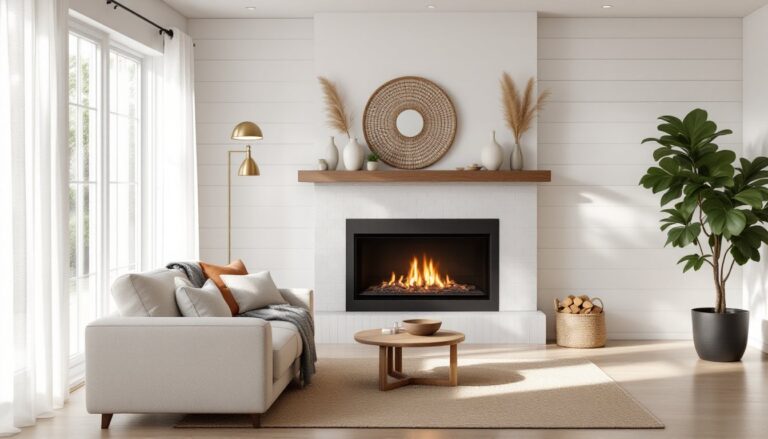
Wall Treatments: Consider subtle texture on one accent wall, tongue-and-groove paneling painted in the same cream as surrounding walls, or a limewash finish that adds depth. Shiplap (actual dimension: ¾”×5½” boards with a nickel gap) works if installed level: use a laser level and locate studs 16″ on center for secure nailing.
Soft Furnishings: Layer cushions in varying fabrics, a smooth cotton, a nubby boucle, a soft velvet. Stick to the cream-to-beige range but vary the sheen and weave. This approach is widely recommended by design professionals focusing on neutral interiors.
Hard Surfaces: Swap standard hardware for brushed brass or matte black cabinet pulls, or add a rattan basket for storage. Even switching out plastic switch plates for metal or wood versions elevates the look. These small details compound into a cohesive, tactile space.
Choosing the Right Furniture in Cream and Beige Tones
Furniture in neutral tones needs to earn its keep. A cream sofa shows dirt, so pick performance fabrics treated with stain resistance (look for Crypton or Sunbrella if pets or kids are in the picture). Test fabric samples with coffee or red wine before committing, seriously.
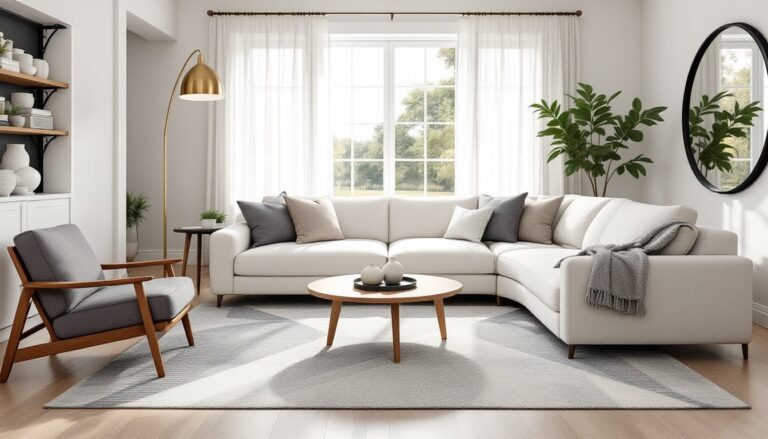
Sofas and Sectionals: Opt for slipcovers if possible. They’re machine-washable and can be swapped seasonally. A standard three-seat sofa measures roughly 84″–96″ wide: confirm clearances before delivery. Leave at least 30″–36″ between the sofa and coffee table for comfortable legroom.
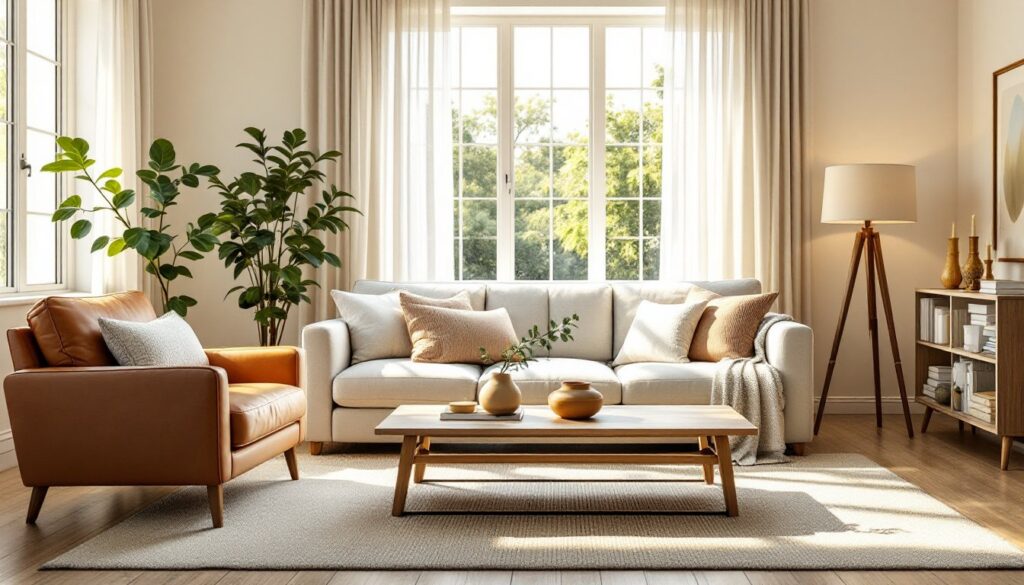
Accent Chairs: Pair a beige linen sofa with a leather club chair in caramel or tan. Mixing furniture styles, mid-century legs with a traditional tufted back, adds character without clashing, since the color palette holds it together. Stylish living rooms often rely on this blend to avoid a showroom feel.
Wood Tones: Beige pairs beautifully with medium-to-light wood finishes like oak, ash, or whitewashed pine. Avoid overly orange woods (golden oak from the ’90s) unless going for a warm, rustic vibe. If refinishing existing furniture, a water-based polyurethane in satin keeps the natural grain visible without yellowing.
Scale and Proportion: In smaller rooms, choose furniture with exposed legs (rather than skirted bases) to maintain visual flow. An apartment living room benefits from this trick, making square footage feel larger.
Adding Warmth with Accent Colors and Natural Elements
An all-neutral room can feel sterile without purposeful accents. Warm metallics, organic materials, and restrained color pops prevent the space from reading as a waiting room.
Metallics: Brass, bronze, and antique gold finishes add warmth. Swap out standard lamp bases or picture frames. Mixing metals is fine, pair brushed brass candlesticks with an oil-rubbed bronze floor lamp, as long as finishes share a warm (not cool) undertone.
Greenery: Living plants are non-negotiable. A fiddle-leaf fig, snake plant, or pothos in a ceramic planter introduces life and softens hard edges. If natural light is limited, choose low-light tolerant species and rotate them near windows weekly.
Subtle Color: Introduce one or two accent colors in small doses. Terracotta, sage green, or muted blush work well with cream and beige. A single throw pillow, a piece of art, or a ceramic vase is enough, don’t overdo it. According to experts at Home Bunch, layering subtle hues maintains the serene quality of neutral schemes.
Natural Materials: Incorporate rattan, wicker, or bamboo through side tables, baskets, or mirror frames. A live-edge wood coffee table or reclaimed barn wood shelf adds character. These materials age gracefully and tie the palette to natural, earthy tones.
Artwork and Decor: Choose art with cream or beige mats in simple wood or metal frames. Black-and-white photography, botanical prints, or abstract pieces with muted palettes maintain cohesion. Avoid busy patterns that fragment the visual calm.
Lighting Strategies to Enhance Your Neutral Living Space
Lighting makes or breaks a neutral room. Poor lighting turns cream into dingy yellow and beige into washed-out gray. Layer three types: ambient, task, and accent.
Ambient Lighting: Overhead fixtures or recessed cans provide general illumination. If installing recessed lighting (common 4″ or 6″ housings), space them roughly 4’–6′ apart and 2’–3′ from walls. Use LED bulbs with a color temperature between 2700K and 3000K (warm white) to complement warm neutrals. Avoid daylight bulbs (5000K+) in living spaces, they skew cool and clinical.
Task Lighting: Floor lamps and table lamps add focused light for reading or detailed work. A tripod floor lamp with a linen shade diffuses light softly. Aim for 40–60 watts equivalent (LED) per lamp in a standard living room. Modern paint colors can shift under different light sources, so test paint samples under your actual lighting.
Accent Lighting: Picture lights, LED strip lighting behind shelving, or uplighting on plants create depth. Battery-operated puck lights (installed with adhesive or small screws) inside built-ins highlight decor without running new wiring.
Dimmer Switches: Install dimmers on overhead circuits. A standard single-pole dimmer (compatible with LED bulbs) costs $15–$25 and takes 15 minutes to swap. Turn off the breaker, remove the old switch, connect the two hot wires and ground to the dimmer, and secure it in the box. Dimmers let you adjust ambiance from bright and functional to soft and cozy.
Natural Light: Maximize daylight with sheer curtains in cream or ivory. Mount curtain rods closer to the ceiling (2″–4″ below the crown molding or ceiling) and extend them 6″–12″ beyond the window frame on each side. This makes windows appear larger and allows full clearance when curtains are open.
Budget-Friendly DIY Updates for a Cream and Beige Refresh
A full living room overhaul isn’t always necessary. Strategic DIY projects deliver outsized impact without contractor pricing.
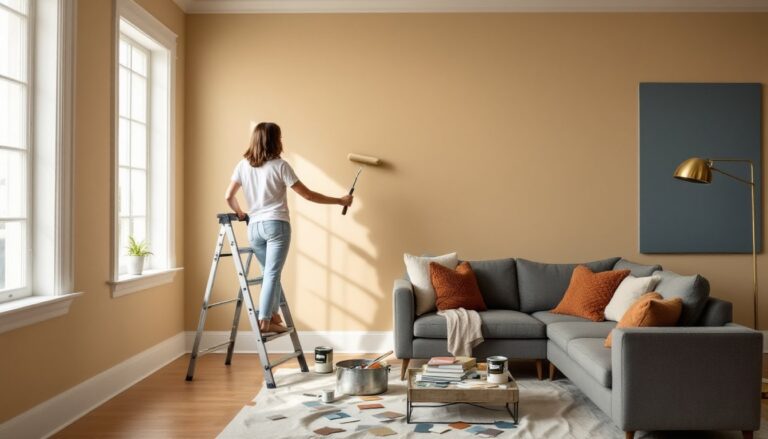
Paint: The easiest transformation. A gallon of quality interior paint (Sherwin-Williams, Benjamin Moore, or Behr Marquee) runs $40–$70. Prep properly: patch holes with lightweight spackling compound, sand smooth with 120-grit sandpaper, prime stains or dark colors with a stain-blocking primer, and cut in edges with a 2″ angled brush before rolling. Use a ½” nap roller for smooth walls, ⅜” for very smooth drywall. Two coats are standard.
Slipcovers and Reupholstery: A slipcover for a standard sofa costs $80–$200 and installs in under an hour. For a more permanent fix, reupholster dining chairs or an ottoman. Remove the seat (usually four screws from underneath), pull off old fabric and padding, cut new fabric with 3″ excess on all sides, staple taut with a staple gun (use ½” staples for upholstery), trim excess, and reattach. Safety note: Wear safety glasses when using a staple gun.
Hardware Swaps: Cabinet and drawer pulls, doorknobs, and curtain rods update fast. Measure existing hole spacing (standard is 3″ or 96mm center-to-center) before buying replacements. A simple screwdriver handles the swap.
DIY Art: Frame fabric remnants, botanical prints from free online sources, or pages from vintage books. IKEA Ribba or Hovsta frames (starting under $10) in matching finishes create a cohesive gallery wall. Use a laser level and picture-hanging strips or wall anchors (toggle bolts for drywall, screws into studs for heavier pieces).
Rug Layering: Layer a smaller patterned or textured rug over a larger neutral jute rug. This adds dimension and lets you swap the top rug seasonally without replacing the base layer.
Trim and Molding: Adding baseboard or crown molding elevates a room. Standard MDF baseboard (5¼” tall) costs $0.60–$1.00 per linear foot. Miter corners at 45° (a miter saw is ideal, but a miter box and hand saw work), nail into studs with a finish nailer or hammer and 2″ finish nails, fill nail holes with wood filler, caulk the top seam, and paint. This project requires precision, measure twice, cut once.
These updates work in open plan living rooms where cohesive finishes matter across connected spaces, and they’re accessible to most DIYers with basic tools.
Conclusion
A cream and beige living room isn’t boring, it’s a intentional foundation that adapts as tastes evolve. By layering textures, selecting durable furniture, adding purposeful accents, optimizing lighting, and tackling manageable DIY projects, homeowners can create a space that’s both timeless and personal. The key is thoughtful choices and solid execution, not expensive overhauls.